
Did you know that the average professional receives over 120 messages every single day? In such a crowded digital landscape, standing out requires more than just luck; it demands precision and intelligence. Modern AI email marketing tools provide the perfect solution for businesses looking to cut through the noise.
By choosing to automate campaigns fast, your team can finally stop drowning in repetitive manual labor. This shift allows you to reclaim valuable hours that were previously lost to tedious scheduling and data entry. Instead, you can focus your energy on high-level strategy and creative growth.
Embracing these systems is no longer just an advantage; it is a necessity for staying competitive. When you leverage smart technology, you transform how you connect with your audience. You will find that building meaningful relationships becomes much simpler when the heavy lifting is handled by sophisticated software.
Key Takeaways
- Modern software helps businesses manage high volumes of digital correspondence efficiently.
- Reducing manual effort allows teams to prioritize creative strategy over repetitive tasks.
- Smart technology ensures your messages reach the right people at the perfect moment.
- Adopting advanced systems is essential for maintaining a competitive edge in today’s market.
- Focusing on high-level goals leads to better engagement and stronger customer loyalty.
The Evolution of Artificial Intelligence in Email Marketing
Email marketing has transformed from simple static blasts into a highly intelligent conversation. In the early days, marketers relied on basic autoresponders that sent the same message to every subscriber at the same time. Today, the integration of artificial intelligence in email marketing has changed how brands connect with their audiences.
Shifting from Manual Segmentation to Predictive Analytics
Previously, teams spent hours manually sorting subscribers into static lists based on limited criteria. This labor-intensive process often resulted in generic content that failed to resonate with individual needs. Modern email automation software now handles this heavy lifting by analyzing vast amounts of data in seconds.
By moving toward predictive analytics, businesses can anticipate what a customer wants before they even click. Research shows that businesses using automation software generate twice as many leads as those without it. This shift allows marketers to focus on strategy rather than repetitive data entry.
How Machine Learning Enhances Deliverability and Engagement
Machine learning algorithms now play a critical role in ensuring your messages land in the right inbox at the perfect moment. Instead of guessing when to send a campaign, artificial intelligence in email marketing studies individual engagement patterns to optimize delivery times. This level of precision significantly boosts open rates and keeps your sender reputation healthy.
Advanced email automation software also monitors content performance to suggest improvements in real-time. By learning from every interaction, these systems refine their approach to keep subscribers interested and active. The following table highlights the key differences between legacy methods and modern AI-driven strategies.
| Feature | Traditional Email | AI-Driven Email |
|---|---|---|
| Segmentation | Manual/Static | Predictive/Dynamic |
| Send Timing | Fixed Schedule | Individual Optimization |
| Content | One-Size-Fits-All | Hyper-Personalized |
| Lead Generation | Baseline | High-Conversion |
Key Benefits of Using AI Email Marketing Tools
Why settle for generic mass emails when you can deliver tailored experiences to every single subscriber? Integrating modern email automation software into your daily workflow allows you to move beyond basic templates. By leveraging artificial intelligence in email marketing, brands can now treat every recipient as a unique individual rather than just another entry in a database.

Hyper-Personalization at Scale
True personalization goes far beyond simply inserting a first name into a greeting. Advanced systems analyze vast amounts of user data to predict what content will resonate most with each person. This ensures that your messaging feels relevant and timely, which significantly boosts customer loyalty.
When you use email automation software, you can create dynamic content blocks that change based on user behavior. This level of precision helps you maintain a consistent brand voice while scaling your outreach efforts to thousands of subscribers simultaneously.
Optimizing Send Times for Maximum Open Rates
Timing is often the difference between a successful campaign and one that gets ignored. Artificial intelligence in email marketing excels at analyzing historical engagement patterns, such as past open rates and click-through rates, to determine the perfect moment to hit “send.”
- Individualized delivery: Messages arrive when users are most likely to check their inboxes.
- Increased visibility: Your emails stay at the top of the list during peak activity times.
- Higher engagement: Better timing leads to more clicks and conversions.
Automated A/B Testing for Subject Lines and Content
Removing the guesswork from your strategy is a major advantage of modern tools. Automated A/B testing allows you to experiment with different subject lines and body copy to see what truly drives results. The system automatically identifies the winning version and sends it to the remainder of your list.
This process saves hours of manual labor while ensuring your campaigns are always optimized for performance. By relying on data-driven insights, you can continuously refine your approach and achieve better outcomes with every single send.
Top AI Email Marketing Tools to Automate Campaigns Fast
Modern businesses rely on powerful AI email marketing tools to stay competitive in a crowded digital landscape. Selecting the right software allows your team to focus on strategy rather than repetitive manual tasks. By choosing the right platform, you can automate campaigns fast and see immediate improvements in your overall performance.
Mailchimp: Leveraging Predictive Insights for Small Businesses
Mailchimp has evolved from a simple newsletter service into a robust engine for growth. It uses predictive analytics to help small business owners understand their audience better. You can easily identify which customers are likely to purchase again, allowing for highly targeted messaging that resonates with your subscribers.
HubSpot: Integrating AI Across the Entire Marketing Funnel
HubSpot stands out among email marketing platforms because of its deep integration with CRM data. By using AI, it connects your email efforts to the broader customer journey. This ensures that every touchpoint is informed by real-time data, creating a seamless experience from the first click to the final sale.
ActiveCampaign: Advanced Automation with Machine Learning
ActiveCampaign excels at turning complex data into actionable workflows. The platform offers over 500 pre-built automation recipes to help users hit the ground running without needing technical expertise. Its machine learning capabilities constantly refine your processes, ensuring that your messages reach the right inbox at the perfect moment.
Brevo: Smart Send-Time Optimization for Global Reach
Brevo provides a sophisticated approach to timing, which is vital for international brands. These email marketing automation tools analyze historical engagement data to predict when your specific contacts are most likely to open their emails. This feature helps you maintain high engagement rates regardless of where your audience is located.
| Platform | Primary Strength | Best For |
|---|---|---|
| Mailchimp | Predictive Insights | Small Businesses |
| HubSpot | Funnel Integration | Enterprise Growth |
| ActiveCampaign | Automation Recipes | Complex Workflows |
| Brevo | Send-Time Optimization | Global Reach |
Crafting Compelling Content with Generative AI
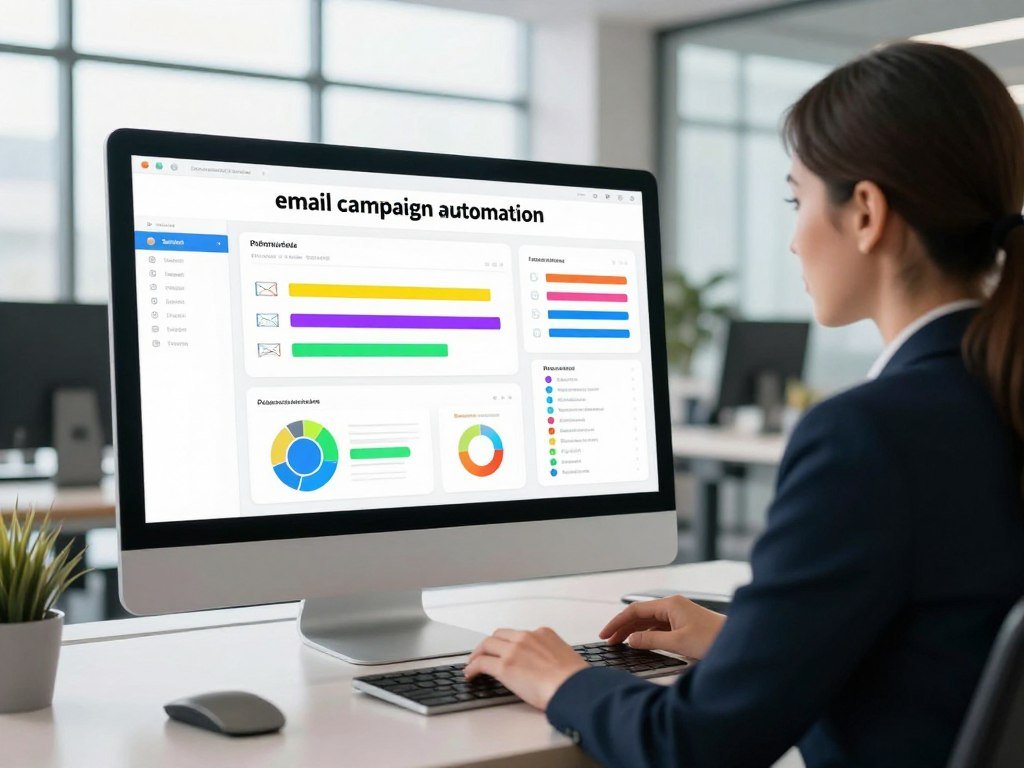
Modern email campaign automation relies heavily on the creative power of generative AI. By moving beyond simple templates, businesses can now produce high-quality, relevant messaging that resonates with every individual subscriber. This shift allows marketing teams to focus on strategy while the technology handles the heavy lifting of content creation.
Writing Persuasive Subject Lines That Drive Clicks
The subject line is your first and most important impression. Generative AI tools analyze millions of successful campaigns to suggest headlines that actually grab attention. By testing different emotional triggers and power words, these tools help you achieve higher open rates consistently.
Personalizing Body Copy Based on User Behavior
Gone are the days of sending the same generic message to thousands of people. Generative AI enables true 1:1 personalization by drafting unique body copy for every recipient based on their specific browsing history and past purchases. This level of email campaign automation ensures that every subscriber receives content that feels tailor-made for their needs.
Maintaining Brand Voice While Scaling Production
Scaling your content production often leads to a diluted brand identity. However, advanced AI models can be trained to mirror your specific tone, style, and vocabulary. By setting clear guardrails, you ensure that your email campaign automation remains authentic and consistent across every single touchpoint. Consistency is the key to building long-term trust with your audience while growing your reach.
Advanced Segmentation Strategies Using AI
Moving beyond basic lists, AI allows marketers to slice their audience with incredible precision. By leveraging email campaign automation, businesses can move away from generic blasts and toward highly relevant messaging. This shift ensures that every communication feels personal and timely.
Identifying High-Value Customer Segments
AI tools analyze historical purchase data to identify your most loyal customers. These systems look for patterns in spending frequency and average order value to rank subscribers. By prioritizing these high-value segments, you can offer exclusive rewards that foster long-term brand advocacy.
Predicting Churn and Re-engaging At-Risk Subscribers
Predictive models are essential for maintaining a healthy list. These algorithms flag subscribers who show signs of disengagement, such as decreased open rates or inactivity. Once identified, your email campaign automation platform can trigger a personalized re-engagement sequence to win them back before they churn.
Dynamic Content Blocks for Tailored Experiences
AI-powered dynamic content allows you to customize the body of an email based on individual user behavior. Instead of sending one static message, you can swap images and product recommendations to match what a user recently browsed. This level of personalization significantly increases the potential for higher click-through rates.
| Segmentation Method | Primary Benefit | AI Capability |
|---|---|---|
| Behavioral Tracking | Increased Relevance | Predicts future intent |
| Churn Prevention | Higher Retention | Flags inactive users |
| Dynamic Content | Better Engagement | Automates visual tailoring |
Implementing these advanced strategies helps refine your email campaign automation efforts. By focusing on data-driven insights, you ensure that your marketing budget is spent on the most effective interactions. Start small by testing one segment and watch your performance metrics grow.
Integrating Marketing Automation Systems with Your CRM
Modern businesses thrive when their marketing automation systems talk directly to their CRM platforms. By bridging the gap between your customer data and your email campaigns, you create a powerful engine for growth. This connection ensures that every message you send is backed by accurate, up-to-date information.

Synchronizing Data for Unified Customer Profiles
When you link your marketing automation systems with a CRM, you gain a 360-degree view of the customer journey. This integration combines data from sales, customer service, and marketing into one central hub. You no longer have to worry about siloed information preventing you from understanding your audience.
A unified profile allows your team to see exactly how a lead interacts with your brand. Whether they visited a pricing page or spoke with a support representative, that data is instantly available. This visibility helps you tailor your messaging to meet the specific needs of each individual subscriber.
Triggering Automated Workflows Based on Real-Time Actions
The true power of these marketing automation systems lies in their ability to react to user behavior instantly. When a customer performs a specific action, such as downloading a whitepaper or abandoning a cart, your system can trigger a personalized response immediately. This level of responsiveness keeps your brand top-of-mind during critical decision-making moments.
By automating these workflows, you ensure that your communication is always relevant and timely. You can move leads through the sales funnel without manual intervention, saving your team valuable time. The following table highlights how this integration improves your overall business efficiency.
| Feature | Manual Process | Integrated System |
|---|---|---|
| Data Updates | Slow and prone to errors | Instant and accurate |
| Lead Scoring | Based on guesswork | Based on real-time behavior |
| Response Time | Delayed by hours or days | Immediate engagement |
| Customer View | Fragmented and incomplete | Unified 360-degree profile |
Overcoming Common Challenges in AI Implementation
While artificial intelligence offers incredible speed, it also introduces complexities that require a thoughtful approach. Integrating these systems into your existing email marketing platforms is a major step toward efficiency, yet it demands careful planning to avoid potential setbacks.
Ensuring Data Privacy and Compliance
Data privacy and compliance are essential for ethical AI usage and maintaining consumer trust. When you handle subscriber information, you must ensure that your processes align with global regulations like GDPR or CCPA.
“Trust is the currency of the digital age; protecting user data is not just a legal requirement, but a fundamental business imperative.”
Always verify that your chosen tools provide transparent data handling policies. Transparency helps build a stronger relationship with your audience while keeping your brand safe from legal risks.
Balancing Automation with Human Oversight
Automation is powerful, but it should never replace the creative intuition of your marketing team. Relying solely on algorithms can lead to generic messaging that fails to resonate with your target audience.
To maintain high standards, consider these best practices for human-in-the-loop workflows:
- Review all AI-generated content before hitting the send button.
- Monitor automated workflows regularly to ensure they align with current brand goals.
- Use email marketing platforms that allow for easy manual overrides during critical campaigns.
Avoiding the Pitfalls of Over-Personalization
It is easy to get carried away with data, but there is a fine line between being helpful and being intrusive. Over-personalization can make subscribers feel uncomfortable or even spied upon.
Focus on providing value rather than just showing off how much data you have collected. By using email marketing platforms to deliver relevant, timely content, you create a positive experience that encourages long-term loyalty without crossing personal boundaries.
Measuring Success with AI-Driven Analytics
Turning raw numbers into a clear roadmap for growth is the ultimate goal of AI analytics. By utilizing advanced marketing automation systems, you can finally see the full picture of your customer journey. These tools bridge the gap between simple metrics and meaningful business intelligence.

Interpreting Complex Data Sets for Actionable Insights
Modern AI platforms excel at aggregating data from multiple touchpoints. They combine interactions across your email campaigns, website visits, and actual purchase history to reveal hidden trends. This holistic view allows you to understand exactly what drives your audience to convert.
Instead of guessing why a campaign succeeded, you can pinpoint the specific behaviors that led to a sale. This clarity helps you move away from vanity metrics and focus on what truly impacts your bottom line. When you integrate these insights into your marketing automation systems, you create a smarter, more responsive outreach strategy.
Refining Campaign Strategies Based on AI Performance Reports
Continuous improvement is the secret to long-term success in digital marketing. AI-driven reports provide a feedback loop that highlights which content resonates and which segments need more attention. By reviewing these performance metrics regularly, you can pivot your strategy before a campaign loses momentum.
This iterative process ensures that your ROI remains high over time. You are not just sending emails; you are building a dynamic conversation that evolves with your customers. The following table outlines how different metrics help you refine your approach.
| Metric Category | Data Source | Strategic Action |
|---|---|---|
| Engagement Rate | Email Interactions | Optimize subject lines via marketing automation systems |
| Conversion Value | Purchase History | Adjust product recommendations for high-value segments |
| Churn Probability | Behavioral Patterns | Trigger automated re-engagement workflows |
| Website Traffic | Click-Through Data | Refine landing page content for better alignment |
Conclusion
Modern marketing requires a blend of smart technology and genuine human connection. Adopting email marketing automation tools allows your brand to reach the right people at the perfect moment. These systems handle the heavy lifting of data analysis and scheduling so you can focus on creative strategy.
Platforms like Mailchimp and HubSpot provide the infrastructure needed to scale your efforts effectively. You gain the ability to deliver tailored messages that resonate with individual subscriber needs. This shift improves your overall campaign performance while saving valuable time for your team.
Success in this digital landscape depends on your ability to balance machine efficiency with authentic brand values. Keep your audience at the center of every decision to ensure your messages remain relevant and trustworthy. Ethical data use builds long-term loyalty that software alone cannot replicate.
Start exploring these email marketing automation tools today to see how they fit your specific business goals. Small adjustments to your workflow lead to significant growth in engagement and conversion rates. Your journey toward smarter communication begins with the right digital partners.
FAQ
Shifting from Manual Segmentation to Predictive Analytics
How Machine Learning Enhances Deliverability and Engagement
Hyper-Personalization at Scale
Optimizing Send Times for Maximum Open Rates
Automated A/B Testing for Subject Lines and Content
Mailchimp: Leveraging Predictive Insights for Small Businesses
HubSpot: Integrating AI Across the Entire Marketing Funnel
ActiveCampaign: Advanced Automation with Machine Learning
Brevo: Smart Send-Time Optimization for Global Reach
Writing Persuasive Subject Lines That Drive Clicks
Personalizing Body Copy Based on User Behavior
Maintaining Brand Voice While Scaling Production
Identifying High-Value Customer Segments
Predicting Churn and Re-engaging At-Risk Subscribers
Dynamic Content Blocks for Tailored Experiences
Synchronizing Data for Unified Customer Profiles
Triggering Automated Workflows Based on Real-Time Actions
Ensuring Data Privacy and Compliance
Balancing Automation with Human Oversight
Avoiding the Pitfalls of Over-Personalization
Interpreting Complex Data Sets for Actionable Insights
Refining Campaign Strategies Based on AI Performance Reports
What are the best ai email marketing tools for small businesses?
How can I use email automation software to improve my open rates?
Do marketing automation systems help with customer retention?
Can I truly automate campaigns fast without losing my brand’s personality?
Is artificial intelligence in email marketing compliant with privacy laws?
What is the difference between standard email tools and email marketing automation tools?
Build Smarter Content Systems with Practical Mini-Guides
Short, actionable digital guides designed to help creators, bloggers, affiliate marketers, and online business owners learn faster, take action sooner, and grow with more clarity.

Pinterest Excellence Playbook
Evergreen traffic + Pinterest SEO. A practical Pinterest growth blueprint covering platform positioning, profile SEO, branding consistency, content planning, pin design, publishing cadence, analytics, monetization, and weekly execution.
View Guide
Google Web Story Excellence Playbook
Visual SEO + mobile traffic. A complete mini guide for planning, designing, optimizing, publishing, and monetizing Google Web Stories that can rank in Search and Google Discover.
View Guide
YouTube Excellence Playbook
Channel growth + SEO system. A practical YouTube growth blueprint covering channel strategy, branding, content planning, YouTube SEO, asset dimensions, analytics, engagement, technical quality, monetization, safety, and weekly workflow.
View Guide
Instagram Excellence Playbook
Profile growth + engagement. A complete Instagram growth blueprint covering profile optimization, content strategy, posting system, SEO, engagement, and monetization.
View Guide
Facebook Excellence Playbook
Reach + content strategy. A complete Facebook growth blueprint covering page positioning, branding, content planning, posting strategy, SEO, analytics, engagement, monetization, and compliance.
View Guide🚀 Want More Practical Digital Resources?
Explore SmartResourceVault for AI prompts, templates, planners, trackers, mini-guides, audio resources, and bundles built for faster execution and everyday growth.
📘 Browse Mini Guides »💼 Build Your AI-Powered Income
Turn your ideas into income with these bestselling guides:


🌟 Ready to Build Your AI Income Stream?
You’ve learned the tools — now master the strategies!
Explore our exclusive AI Side Hustle & Passive Income eBooks to start earning smarter with ChatGPT, Canva, and automation tools.