



AI Side Hustle: Create Kids’ Learning Games

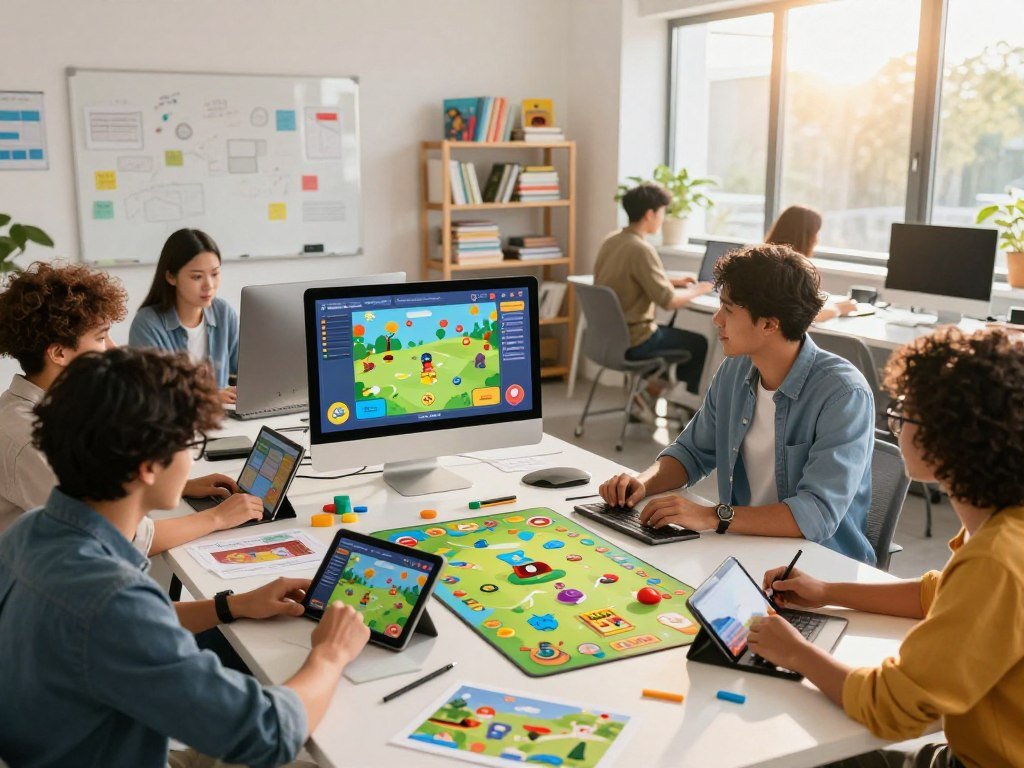
Did you know that the market for school software will reach $11 billion very soon? This massive growth represents a big opportunity for anyone to build a new project from home.
Starting an ai side hustle: create kids’ learning games is a smart way to enter this space. Modern tools help you turn a simple idea into a useful tool that sparks a child’s deep interest.
Platforms like Rosebud make the builder loop easy for every family. This helps you focus on things that are highly motivating for your students.
This guide explains how to start this specific venture. You will discover how to earn money while helping the next generation flourish.
Key Takeaways
- Discover how to use new tools for school projects.
- Review the massive market for digital student tools.
- Find out why Rosebud helps families build together.
- Explore ways to earn extra income from home.
- See how interactive activities motivate young students.
- Follow a simple path to launch your new venture.
Why Creating Kids’ Learning Games Is a Lucrative Opportunity
Creating kids’ learning games has become a lucrative opportunity, thanks to the rapid growth of the EdTech industry and the ease of development with AI tools. The educational technology sector is experiencing a significant surge, driven by the increasing demand for digital learning solutions.
The Growing EdTech Market
The Growing EdTech Market
The EdTech market is expanding at an unprecedented rate. According to recent trends, the global EdTech market is expected to continue its upward trajectory, driven by technological advancements and the growing need for innovative educational tools. This growth presents a substantial opportunity for developers and educators to create engaging and effective learning experiences for children.
Parents’ Investment in Digital Learning
Parents are increasingly investing in digital learning tools for their children, recognizing the value of technology in enhancing educational outcomes. This willingness to invest in quality educational content has created a lucrative market for kids’ learning games that are both fun and educational.
The trend is driven by the understanding that early childhood education plays a critical role in a child’s development. As a result, there is a growing demand for high-quality, engaging educational games that can cater to different age groups and learning needs.
Low Barrier to Entry with AI Tools
One of the key factors making the creation of kids’ learning games more accessible is the advent of AI tools. These tools have significantly lowered the barrier to entry for developers, allowing them to create sophisticated educational games without extensive technical knowledge. AI-powered game development platforms enable creators to focus on educational content and game design, while the technical aspects are handled by the AI.
This democratization of game development has opened up opportunities for a wider range of creators, from educators to developers, to contribute to the EdTech market. By leveraging AI tools, creators can produce high-quality educational games that are both engaging and effective.
Understanding Your Target Audience and Market Demand
Developing successful educational games for children requires a deep understanding of the target audience and market demand. This involves recognizing the diverse needs of children across different age groups and learning stages, as well as understanding what parents and teachers expect from educational apps.
Age Groups and Learning Stages
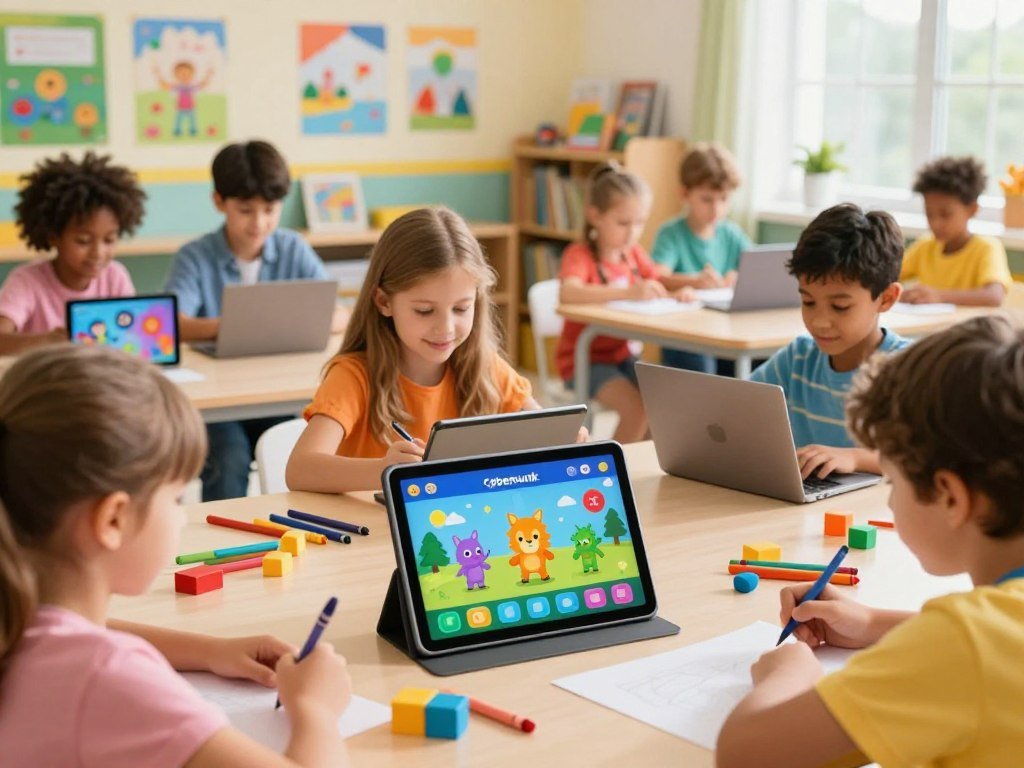
Children progress through various learning stages as they grow, and educational games should be tailored to these stages. For instance, preschoolers (ages 3-5) are typically developing their basic motor skills and learning fundamental concepts like colors, shapes, and numbers. In contrast, elementary school children (ages 6-10) are refining their knowledge in subjects like mathematics, reading, and science.
Understanding these developmental milestones is crucial for creating content that is both engaging and educational. For example, coding for children can be introduced in a fun and interactive manner, even at a young age, using block-based programming that helps develop problem-solving skills.
Popular Educational Topics for Children
Some of the most popular educational topics for children include STEM subjects (science, technology, engineering, and mathematics), literacy, and social skills. Children’s educational apps that focus on these areas tend to be in high demand. For example, apps that teach coding skills or enhance literacy through interactive storytelling are highly sought after.
Moreover, there is a growing interest in apps that promote critical thinking and problem-solving skills. These skills are essential for children’s cognitive development and are highly valued by both parents and educators.
What Parents and Teachers Look For
When it comes to educational apps, parents and teachers have certain expectations. They look for apps that are not only educational but also engaging and safe. The app should be able to hold a child’s attention while providing meaningful learning experiences.
Additionally, personalization is a key feature that parents and teachers appreciate. Apps that can adapt to a child’s learning pace and style are considered more effective. This is where AI-powered educational tools can make a significant difference, offering tailored learning experiences that cater to individual needs.
Essential Skills You Need to Get Started
Developing kids’ learning games that are both fun and educational requires a blend of skills that cater to children’s developmental needs. To create engaging and effective educational games, one must understand the core elements that make a game both entertaining and informative.
Basic Game Design Principles
Understanding basic game design principles is crucial. This includes knowing how to create engaging gameplay, designing intuitive user interfaces, and crafting narratives that captivate young minds. Game design principles serve as the backbone of any successful game, ensuring that it is both enjoyable and challenging for children.
Effective game design for children involves creating an immersive experience that adapts to their learning pace and style. This can be achieved by incorporating elements such as rewards, progression systems, and interactive storytelling. By leveraging these principles, developers can create games that are not only fun but also contribute to a child’s cognitive development.
Understanding Child Development
A deep understanding of child development is vital for creating learning games that are age-appropriate and effective. This involves knowledge of cognitive, emotional, and social development stages in children. By understanding these aspects, developers can tailor their games to meet the specific needs of different age groups, ensuring that the content is both relevant and engaging.
For instance, games designed for younger children should focus on basic skills such as alphabet recognition, numeracy, and social skills, while games for older children can incorporate more complex subjects like science, history, and critical thinking. Artificial intelligence in children’s education can play a significant role in personalizing the learning experience, adapting to the individual child’s pace and learning style.
Technical Skills and What You Can Skip
While technical skills are necessary for game development, the advent of AI tools has simplified many aspects of the process. Developers need to have a basic understanding of programming concepts, but they can leverage AI-powered tools to handle more complex tasks such as content generation and testing.
Key technical skills include proficiency in game development platforms, understanding of AI and machine learning principles, and the ability to design and implement adaptive learning algorithms. However, with the advancement of no-code and low-code development platforms, many technical barriers have been lowered, making it more accessible for individuals without extensive programming knowledge to create educational games.
AI Tools and Platforms for Educational Game Development
AI has revolutionized the edTech industry by providing numerous tools and platforms that facilitate the creation of engaging kids’ learning games. These advancements have made it possible for educators and developers to create high-quality educational content without extensive coding knowledge.
The availability of various AI tools and platforms has significantly lowered the barrier to entry for creating educational games, making it an attractive side hustle for teachers looking to monetize their skills.
No-Code Game Development Platforms
No-code game development platforms have emerged as a game-changer in the edTech sector. These platforms allow users to create games without needing to write code, making them accessible to a broader range of developers.
- Buildbox: Known for its user-friendly interface and drag-and-drop functionality.
- GDevelop: Offers a comprehensive set of features for creating 2D games without coding.
- GameMaker: Provides a robust platform with a drag-and-drop interface for creating complex games.

AI-Powered Content Generation Tools
AI-powered content generation tools can significantly reduce the time and effort required to create educational content. These tools can generate text, images, and even entire game levels.
Some notable AI-powered content generation tools include:
- Content Blossom: Uses AI to generate educational content based on specific learning objectives.
- Artbreeder: Allows users to create original artwork using AI algorithms.
AI Testing and Personalization Tools
AI testing and personalization tools can enhance the learning experience by providing real-time feedback and adapting the game to individual learners’ needs.
Examples of AI testing and personalization tools include:
- Snappet: Uses AI to provide personalized learning paths for students.
- Kiddom: Offers AI-driven assessment and feedback tools for educational games.
By leveraging these AI tools and platforms, educators and developers can create more effective, engaging, and personalized educational games for kids.
How to Use AI Side Hustle: Create Kids’ Learning Games Successfully
As a freelance game developer, leveraging AI in creating kids’ learning games can be a lucrative opportunity if done correctly. The process involves several key strategies that can enhance your product’s effectiveness and appeal.
Ideation with AI Assistance
The first step in creating a successful kids’ learning game is ideation. AI can assist in generating ideas by analyzing trends, educational needs, and player preferences. AI-powered tools can help you identify gaps in the market and suggest innovative concepts that combine fun and learning.
- Use AI to analyze educational trends and popular game mechanics.
- Generate ideas based on the analysis to create unique learning experiences.
- Refine your ideas by considering the age group and learning objectives.
Rapid Prototyping Using AI Tools
Once you have an idea, the next step is to create a prototype. AI tools can significantly speed up this process by automating certain aspects of game development. Rapid prototyping allows you to test your game mechanics and make necessary adjustments early on.
Some benefits of using AI for rapid prototyping include:
- Automated asset generation, such as characters and environments.
- Quick testing of different game mechanics.
- Iterative design improvements based on feedback.
Creating Adaptive Learning Experiences
AI can help create adaptive learning experiences that adjust to a child’s learning pace and style. This personalization can significantly enhance the effectiveness of the game. By using AI algorithms, you can develop games that adapt to individual learners’ needs.
Scaling Your Production with Automation
Finally, AI can help scale your production by automating repetitive tasks, such as content generation and testing. This allows you to focus on more creative aspects of game development and expand your product line. Automation can significantly reduce development time and costs.
Key areas where automation can be applied include:
- Content generation, such as levels and puzzles.
- Testing and quality assurance.
- Personalization of game content for different learners.
Step-by-Step Process to Create Your First Learning Game
To create an engaging learning game, follow a step-by-step process that leverages AI for efficiency. This approach will help you develop a high-quality educational game that captivates young learners.
Step 1: Choose Your Educational Focus
The first step in creating a learning game is to decide on the educational content. This involves identifying the age group you want to target and the subject matter that will be covered. Popular topics include math, science, language arts, and coding for children. Consider what skills or knowledge you want the game to impart.
When selecting a topic, it’s essential to understand the learning objectives and outcomes. This will help you design a game that is both fun and educational. You can refer to educational standards or curriculum guidelines to ensure your game aligns with what’s being taught in schools.
Step 2: Design Game Mechanics That Teach
Once you’ve chosen your educational focus, the next step is to design game mechanics that support learning. This involves creating rules, challenges, and rewards that engage players while teaching them the desired skills or knowledge. Effective game mechanics can make learning feel like a fun, interactive experience.
A well-designed game should have clear objectives, progressive levels of difficulty, and feedback mechanisms to help players track their progress. You can use AI tools to help design and test these mechanics.
Step 3: Use AI to Generate Assets and Content
AI can significantly streamline the process of creating assets and content for your learning game. AI-powered tools can generate images, animations, and even educational content based on your specifications. This can save a considerable amount of time and resources.
For example, you can use AI to create character designs, backgrounds, and other visual elements that fit your game’s theme. AI can also help generate quiz questions, puzzles, or other educational content that aligns with your learning objectives.
Step 4: Build Your Prototype
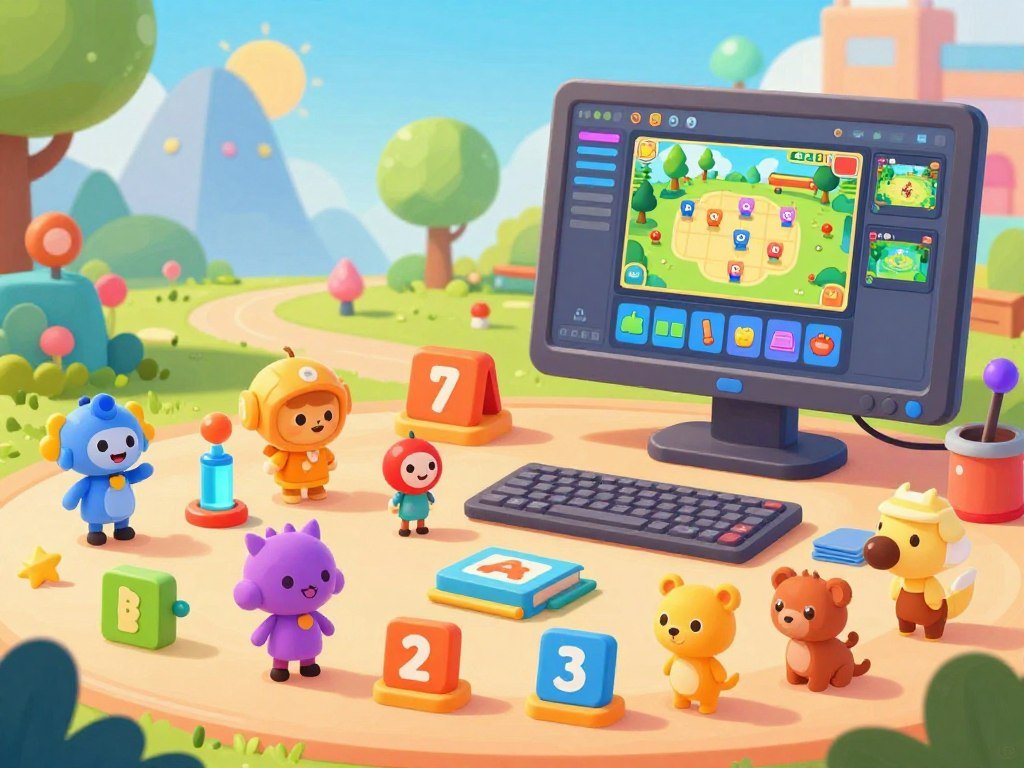
With your educational focus, game mechanics, and assets in place, it’s time to build a prototype of your game. This involves using game development software or platforms to bring your design to life. Many game development tools offer drag-and-drop interfaces or visual scripting that make it easier to create a prototype without extensive coding knowledge.
When building your prototype, focus on testing the core gameplay and educational elements. You can then iterate on your design based on feedback and testing results.
| Step | Description | AI Involvement |
|---|---|---|
| 1. Choose Educational Focus | Decide on the subject matter and age group | Low |
| 2. Design Game Mechanics | Create engaging and educational gameplay | Medium |
| 3. Generate Assets and Content | Use AI to create visual elements and educational content | High |
| 4. Build Prototype | Develop a playable version of the game | Medium |
Design Principles for Effective Children’s Educational Apps
Effective children’s educational apps must be designed with the child’s needs at the forefront, incorporating elements of fun, learning, safety, and accessibility. Creating an engaging and educational experience for children requires a thoughtful and multi-faceted approach. This involves understanding child development, designing intuitive interfaces, and ensuring that the app is both enjoyable and safe for young users.
Age-Appropriate Interface Design
Designing an age-appropriate interface is crucial for children’s educational apps. The layout, graphics, and overall user experience should be tailored to the target age group. For younger children, this might mean larger buttons, simple navigation, and colorful graphics. As children get older, the design can become more complex, incorporating more detailed information and subtle interactions.
Balancing Fun and Learning
One of the key challenges in developing children’s educational apps is striking the right balance between fun and learning. The app should be engaging enough to keep children interested, while also providing meaningful educational content. This can be achieved by incorporating game-like elements, such as rewards, challenges, and progression systems, into the learning process.
Safety and Privacy Considerations
Safety and privacy are paramount when it comes to children’s educational apps. Developers must ensure that their apps comply with relevant regulations, such as COPPA (Children’s Online Privacy Protection Act) in the United States. This includes implementing robust data protection measures, obtaining necessary parental consents, and being transparent about data collection and usage practices.
Accessibility Features
Incorporating accessibility features into children’s educational apps is not only a legal requirement in many jurisdictions but also a moral imperative. This can include features like text-to-speech functionality, font size adjustment, and high contrast modes. By making apps more accessible, developers can ensure that all children, regardless of their abilities, can benefit from their educational content.
By focusing on age-appropriate design, balancing fun and learning, ensuring safety and privacy, and incorporating accessibility features, developers can create children’s educational apps that are both effective and responsible. As the demand for these apps continues to grow, driven in part by advancements in artificial intelligence in children’s education, it’s crucial that developers prioritize these design principles to create high-quality educational experiences.
Monetization Strategies for Your Learning Games
To succeed in the ed-tech market, understanding how to effectively monetize your learning games is crucial. As a side hustle for teachers or a venture for freelance game developers, creating a profitable educational game requires a thoughtful approach to revenue generation.
The ed-tech industry offers multiple avenues for monetization, each with its own advantages and challenges. By understanding these options, you can choose the best strategy for your learning game.
App Store Sales and Pricing Models
Selling your learning game through app stores like Apple App Store or Google Play Store is a straightforward monetization strategy. You can choose from various pricing models, including:
- Paid apps: Users pay upfront to download your game.
- Free apps with ads: You earn revenue from advertisements displayed within your game.
When pricing your app, consider factors like development costs, target audience willingness to pay, and competition in the market.
Freemium and In-App Purchases
The freemium model offers a basic version of your game for free and charges for premium features or content. In-app purchases allow users to buy specific items or currency within the game.
This model is popular in educational games as it allows users to try before they buy, and you can generate revenue from users who want additional content or features.
Licensing to Schools and Educational Institutions
Licensing your educational game to schools and institutions can provide a steady revenue stream. This model involves negotiating a license fee with educational organizations to use your game as part of their curriculum.
To succeed in this model, you’ll need to demonstrate the educational value of your game and comply with any regulatory requirements.
Subscription-Based Learning Platforms
Subscription-based models involve charging users a recurring fee for access to your educational content or game. This can be implemented through a monthly or yearly subscription.
To make this model attractive, you need to continually update your content and provide value to your subscribers.
Here’s a comparison of the different monetization strategies:
| Monetization Strategy | Key Features | Potential Revenue |
|---|---|---|
| App Store Sales | Paid downloads, pricing models | High upfront revenue |
| Freemium & In-App Purchases | Free basic version, paid upgrades | Recurring revenue from engaged users |
| Licensing to Institutions | License fees from schools | Steady, predictable revenue |
| Subscription-Based | Recurring access fees | Predictable, recurring revenue |
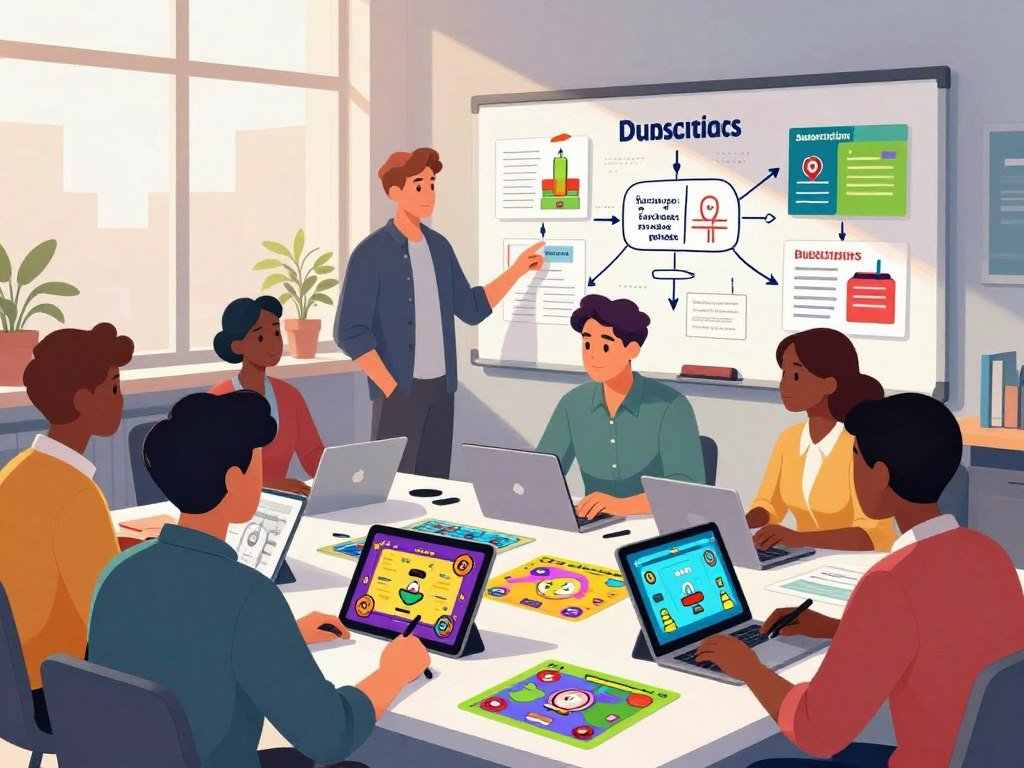
By understanding and implementing these monetization strategies, you can turn your educational game into a successful side hustle or freelance game development venture.
Marketing Your Educational Games to Parents and Schools
After creating a compelling educational game, the challenge lies in making it visible to those who need it most – children, parents, and educators. Effective marketing is crucial to stand out in the crowded ed-tech market.
Building an Online Presence
Establishing a strong online presence is the foundation of any successful marketing strategy. This involves creating a dedicated website for your educational game, showcasing its features, and providing easy access to download or purchase options. Search Engine Optimization (SEO) is vital to ensure your website appears in relevant search results, making it easier for parents and educators to find your game.
Utilize social media platforms to engage with your target audience, share updates, and build a community around your educational game. Platforms like Facebook, Twitter, and Instagram can be powerful tools for reaching parents and educators.
Leveraging Social Proof and Reviews
Social proof is a powerful marketing tool. Encourage satisfied customers to leave reviews on your website and on app stores. Positive reviews not only build credibility but also improve your game’s visibility in search results. Influencer marketing can also be effective, where you partner with popular family or education influencers to review and promote your game.
Partnering with Teachers and Education Influencers
Teachers and education influencers have a significant following and are trusted by parents. Collaborating with them can help you reach a wider audience. Offer them free access to your game in exchange for feedback or a review. This can lead to valuable testimonials and recommendations.
App Store Optimization for Visibility
For educational games distributed through app stores, App Store Optimization (ASO) is critical. This involves optimizing your game’s title, description, and keywords to improve its ranking in app store search results. Regularly updating your game’s listing with fresh content and ensuring that your screenshots and preview videos are engaging can also enhance visibility.
By implementing these marketing strategies, you can effectively promote your educational game to parents and schools, increasing its adoption and success in the market.
Conclusion
Creating kids’ learning games using artificial intelligence is a promising side hustle that combines education and technology. By leveraging AI tools and platforms, individuals can develop engaging and interactive learning experiences for children.
The growing EdTech market and increasing demand for digital learning solutions make this a lucrative opportunity. With the right skills and knowledge, you can capitalize on this trend and create successful educational games.
As discussed, understanding your target audience, designing effective game mechanics, and utilizing AI-powered content generation tools are crucial steps in this process. By following these guidelines and staying up-to-date with the latest developments in artificial intelligence in children’s education, you can create high-quality learning games that benefit children and generate revenue.
Now is the perfect time to explore this exciting field and start building your own educational games using AI. With persistence and creativity, you can make a positive impact on children’s education and achieve success in this growing market.
Do I need to be a programmer to start an ai side hustle: create kids’ learning games?
Why is this considered a great side hustle for teachers?
How can I teach coding for children if I don’t know how to code myself?
What are the best AI tools for a freelance game developer on a budget?
Are children’s educational apps actually profitable?
Is it difficult to make games safe for children?
💼 Build Your AI-Powered Income
Turn your ideas into income with these bestselling guides:



🌟 Ready to Build Your AI Income Stream?
You’ve learned the tools — now master the strategies!
Explore our exclusive AI Side Hustle & Passive Income eBooks to start earning smarter with ChatGPT, Canva, and automation tools.
🚀 Connect with SmartAIEarn
Join our growing AI and digital innovation community — explore smarter tools, automation hacks, and new income ideas that help you earn more, work less, and scale fast.






















What do you think?
Show comments / Leave a comment