
Imagine being able to write and illustrate a complete children’s storybook in just 30 seconds. With AI tools like Gemini’s Storybook feature, this is now a reality. The ability to create personalized children’s books has never been easier or faster.
This emerging trend is opening up new opportunities for creators to produce unique content. By leveraging AI, individuals can generate custom kids’ stories tailored to a child’s interests, making storytime more engaging and fun.
The potential for this technology is vast, and it’s exciting to consider the possibilities. As we explore this topic further, we’ll delve into the details of creating and selling these AI-generated stories.
Key Takeaways
- AI tools can generate a complete children’s storybook in seconds.
- Personalization is key to making storytime more engaging.
- New opportunities are emerging for creators to produce unique content.
- AI-generated stories can be tailored to a child’s interests.
- The potential for this technology is vast and exciting.
The Rising Demand for Personalized Children’s Books
The demand for personalized children’s books is on the rise, driven by parents seeking unique stories for their kids. This trend is fueled by the desire to create special and engaging experiences for children.
Why Parents Seek Custom Stories for Their Children
Parents are looking for ways to make reading more engaging and personal for their children. Custom storybooks offer a unique opportunity to feature their child as the main character, making the story more relatable and exciting. This personal touch can enhance a child’s love for reading and create a special bonding experience.
Market Size and Growth Potential
The market for customized children’s books is growing rapidly. According to recent trends, the demand for personalized products, including children’s literature, is on the rise. The table below illustrates the potential growth of the market.
| Year | Market Size | Growth Rate |
|---|---|---|
| 2022 | $100 million | 10% |
| 2023 | $110 million | 12% |
| 2024 | $123 million | 15% |
The increasing demand for AI-generated storytelling and children’s book customization is expected to drive the market further. As technology advances, creating personalized stories is becoming more accessible, contributing to the market’s growth potential.
Understanding AI Side Hustle: Sell Custom Kids’ Stories
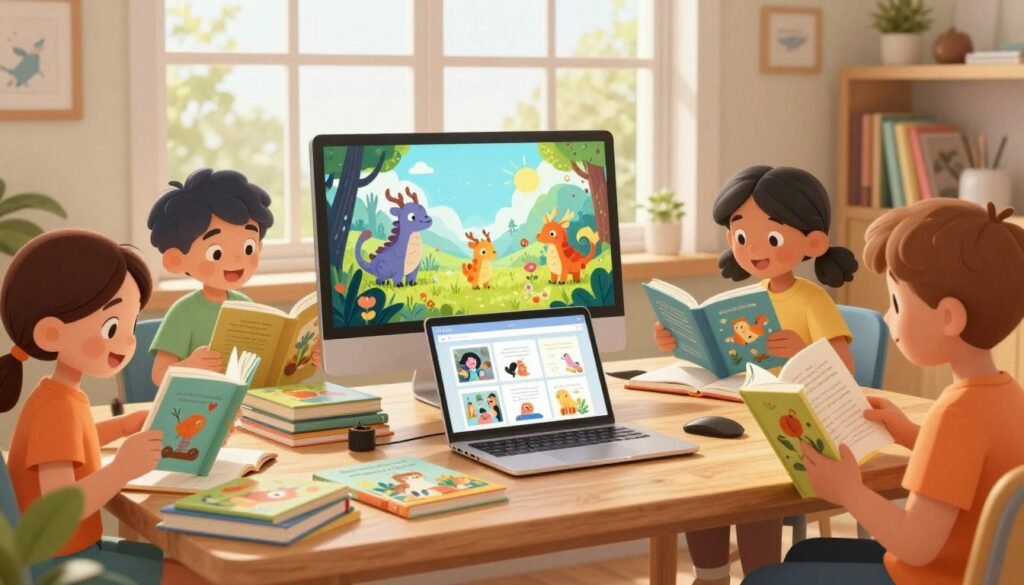
The demand for personalized children’s books has led to the growth of an AI-driven side hustle: creating and selling custom kids’ stories. This venture combines technology with creativity, allowing individuals to produce unique content that caters to the growing demand for customized children’s literature.
What Makes This Side Hustle Attractive
Selling custom kids’ stories through AI-generated content is attractive due to its potential for passive income and the ability to cater to a niche market. The low initial investment required to start this venture makes it accessible to many. Moreover, the flexibility to create stories on a wide range of topics and персонализировать them for individual customers adds to its appeal.
Required Skills and Initial Investment
To succeed in this side hustle, one needs basic writing skills and the ability to effectively use AI tools for content generation. The initial investment is relatively low, primarily involving the cost of AI software or platform subscriptions. Familiarity with digital publishing and marketing can also be beneficial.
Potential Income and Business Models
The potential income from selling custom kids’ stories can vary based on the business model adopted. Options include selling digital copies directly to customers or offering print-on-demand services. Creating a subscription-based model or partnering with educational institutions can also provide revenue streams. Effective marketing and quality content are key to maximizing earnings.
Essential Tools for Creating AI-Generated Children’s Stories
To produce captivating AI-generated children’s stories, one must leverage the right set of tools. The creation process involves several key components: generating the story, creating illustrations, and editing and publishing the final product.
AI Writing Platforms for Story Generation
AI writing platforms have revolutionized the way stories are generated. Tools like Gemini’s AI Storybook and Squibler’s AI Children’s Story Generator enable users to create customized stories with ease. These platforms use advanced algorithms to understand the context and preferences, generating engaging narratives.
Key Features: Customizable storylines, character development, and adaptive learning capabilities.
Image Generation Tools for Illustrations
Illustrations bring stories to life. AI-powered image generation tools can create unique and captivating visuals. These tools can be tailored to fit the story’s context, ensuring that the illustrations are not only beautiful but also relevant.
Editing and Publishing Software
Once the story and illustrations are ready, editing and publishing software come into play. These tools help refine the content, ensure error-free text, and prepare the storybook for distribution.
The following table summarizes the essential tools for creating AI-generated children’s stories:
| Tool Category | Examples | Key Features |
|---|---|---|
| AI Writing Platforms | Gemini’s AI Storybook, Squibler’s AI Children’s Story Generator | Customizable storylines, character development |
| Image Generation Tools | DeepAI, Artbreeder | Unique visuals, style customization |
| Editing and Publishing Software | Grammarly, Canva, Adobe InDesign | Content refinement, design flexibility, professional publishing |
By combining these tools, creators can produce high-quality, engaging AI-generated children’s stories that captivate young readers.
Crafting Engaging and Age-Appropriate Content
To captivate young readers, it’s essential to develop stories that are both fun and relevant to their age. Crafting engaging and age-appropriate content is crucial for children’s stories, as it directly impacts their interest and understanding.
Understanding Different Age Groups and Their Preferences
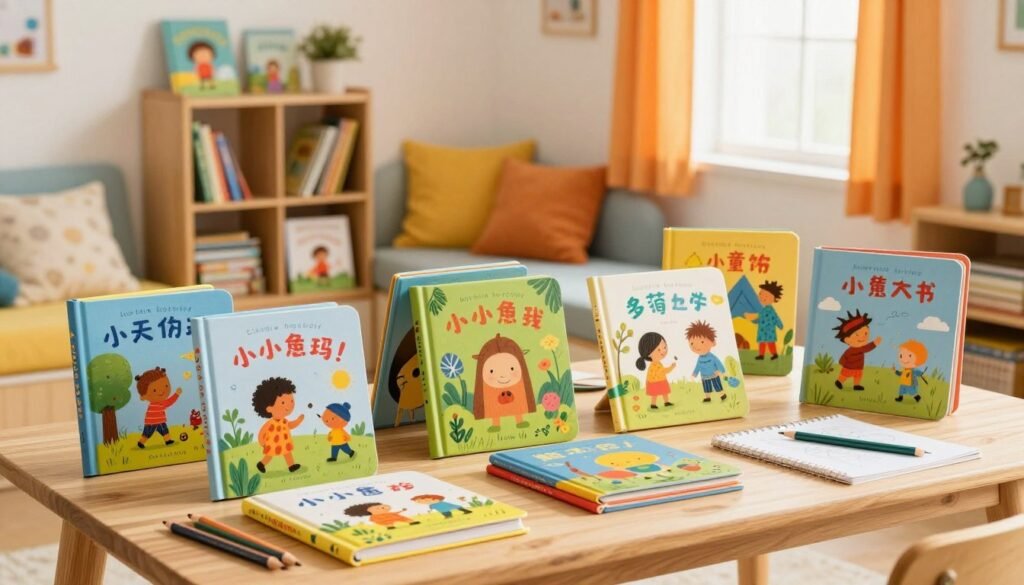
Children’s preferences vary significantly across different age groups. For instance, toddlers (ages 2-3) enjoy simple, colorful stories with basic themes, while preschoolers (ages 4-5) can engage with more complex narratives and characters. Understanding these preferences is key to creating personalized children’s books that resonate with young readers.
As children grow older (ages 6-8), they begin to appreciate more intricate storylines and moral lessons. Tailoring your content to these age-specific preferences can significantly enhance the appeal of your custom storybooks for kids.
Incorporating Educational Elements
In addition to being engaging, children’s stories should also be educational. Incorporating elements that teach new skills or values can add significant value to your custom bedtime stories. For example, stories that introduce basic math concepts or social skills can be both entertaining and instructive.
As noted by renowned children’s author, “Good children’s books are not just entertaining; they are also a means of educating and inspiring young minds.”
“The right story at the right age can spark a child’s imagination and curiosity, laying the foundation for a lifelong love of learning.”
Ensuring Cultural Sensitivity and Inclusivity
It’s also important to ensure that your stories are culturally sensitive and inclusive. This involves representing diverse characters, cultures, and experiences in your narratives. By doing so, you can create a more welcoming and relatable reading experience for children from various backgrounds.
To achieve this, consider the following strategies:
- Include characters from diverse ethnic and cultural backgrounds.
- Portray different family structures and abilities.
- Use inclusive language and avoid stereotypes.
By incorporating these elements, you can make yourpersonalized children’s booksmore appealing to a broader audience.
Personalizing Stories to Create Unique Experiences
The art of personalization in children’s storytelling involves understanding and implementing customer preferences effectively. By doing so, businesses can create unique and engaging experiences for their young readers.
Collecting and Implementing Customer Requirements
To create truly personalized stories, it’s essential to collect specific requirements from customers. This can include details such as the child’s name, interests, and preferred story themes. By incorporating these elements, businesses can craft stories that resonate with their young audience.
Techniques for Making Each Story Special
Several techniques can be employed to make each story special. These include using AI-generated storytelling tools to create dynamic narratives, incorporating personalized illustrations, and ensuring that the story’s tone and language are suitable for the child’s age group.
Managing Revisions and Customer Feedback
Effective management of revisions and customer feedback is crucial in the process of creating custom storybooks. By being responsive to customer input and making necessary revisions, businesses can ensure high customer satisfaction and build a strong reputation on their kids’ story selling platform.
In conclusion, personalizing stories for children involves a combination of understanding customer needs, using advanced storytelling techniques, and being responsive to feedback. By focusing on these aspects, businesses can create unique and engaging experiences for their customers.
Designing Attractive Illustrations for Children’s Books
Designing attractive illustrations is a crucial step in creating engaging AI-powered children’s stories. The right visuals can captivate young readers and enhance the storytelling experience. In this section, we’ll explore how to effectively use AI art generators to create beautiful illustrations for children’s books.
Using AI Art Generators Effectively
AI art generators have revolutionized the process of creating illustrations for children’s book customization. These tools allow you to produce high-quality images quickly and efficiently. To use them effectively, start by selecting a style that fits your story’s theme. You can then input specific details about the characters, setting, and mood you want to convey.
Some key tips for using AI art generators include:
- Experimenting with different styles and settings to find the perfect fit for your story
- Using reference images to guide the AI and ensure consistency
- Adjusting the output to match your desired level of detail and complexity
Editing and Enhancing AI-Generated Images
While AI art generators can produce impressive results, they often require some editing to perfect the images. This might involve adjusting colors, contrast, or composition to better match your story’s tone. You can also use editing software to add or remove elements, ensuring that the illustrations are both visually appealing and relevant to the narrative.
Creating Consistent Visual Styles
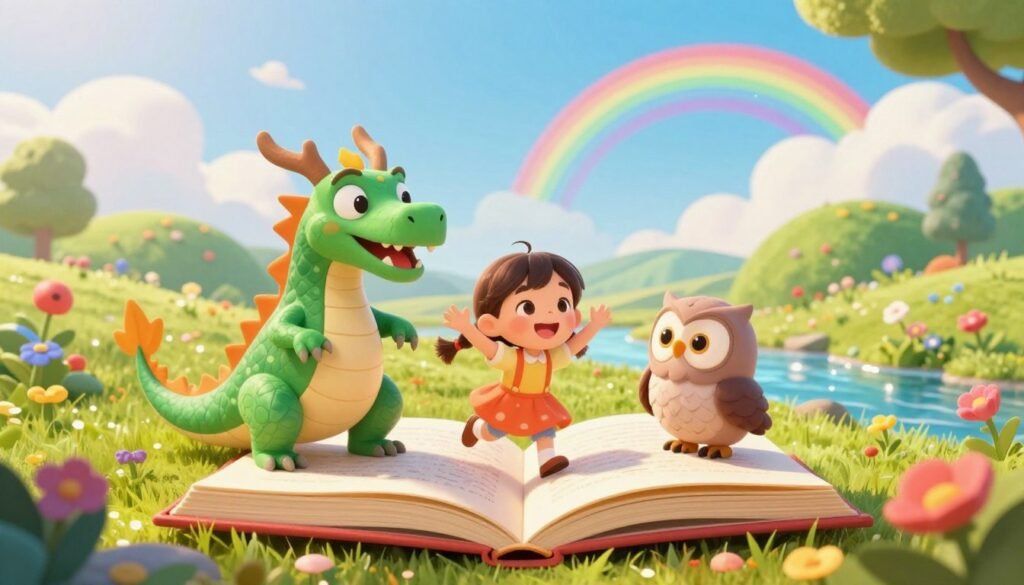
Consistency is key when it comes to illustrating a children’s book. To achieve a cohesive look throughout your story, establish a consistent visual style from the outset. This involves selecting a color palette, character design, and illustration style that will be used across all pages. By doing so, you’ll create a visually engaging and immersive experience for young readers, enhancing the overall impact of your ai-generated storytelling.
By following these guidelines and leveraging the power of AI art generators, you can create stunning illustrations that bring your children’s stories to life.
Formatting and Publishing Your Custom Storybooks
The process of turning your AI-generated children’s story into a published book involves several key decisions. First, you need to determine the format of your book. This decision will impact how your story is consumed by your young audience.
Digital vs. Print Options
When deciding between digital and print options, consider the advantages of each. Digital books offer flexibility and interactivity, allowing for features like animations and audio narration. On the other hand, print books provide a tactile experience that many children enjoy. You can also consider offering both formats to cater to different preferences.
- Digital books are easily distributable and can be accessed anywhere.
- Print books offer a tangible keepsake that can be cherished for years.
Self-Publishing Platforms and Services
Self-publishing platforms like Amazon Kindle Direct Publishing (KDP) and IngramSpark offer straightforward processes for publishing your custom storybooks. These platforms provide tools for formatting, cover design, and distribution. They also connect you with a vast audience interested in unique children’s stories.
Key benefits of using self-publishing platforms include:
- Ease of use with step-by-step guides.
- Global distribution networks.
- Marketing and promotional tools.
Quality Control and Production Standards
Maintaining high-quality production standards is crucial for your custom storybooks. Ensure that your books are edited for grammar and coherence, and that the illustrations are vibrant and engaging. For print books, the paper quality and binding should also be considered to ensure durability.
By focusing on these aspects, you can create high-quality, engaging storybooks that delight children and parents alike.
Building Your Kids’ Story Selling Platform
To successfully sell AI-generated children’s books, you need a well-designed selling platform. This involves several key components that work together to provide a seamless customer experience.
Creating a Professional Website or Storefront
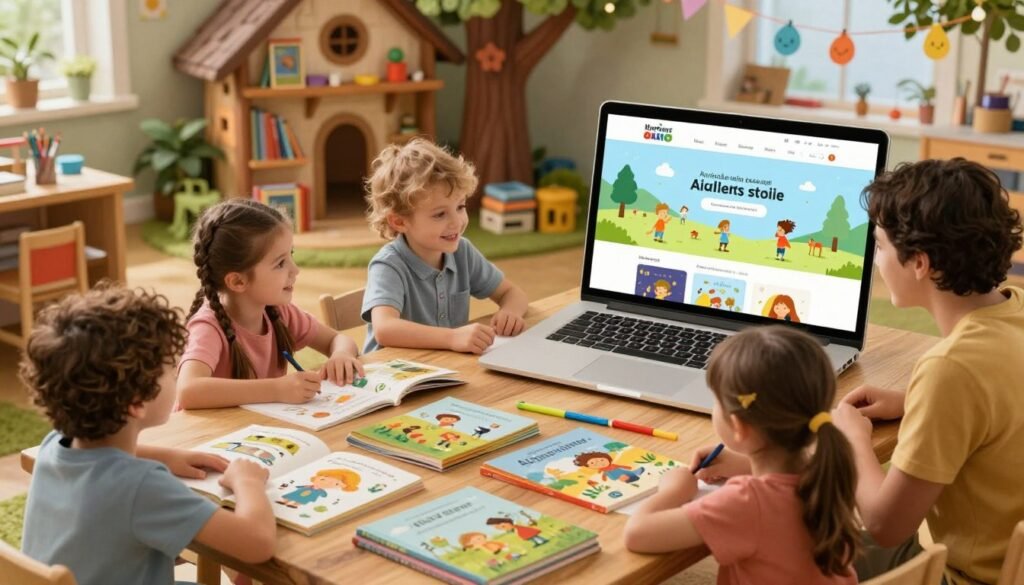
A professional website or storefront is the cornerstone of your kids’ story selling platform. It should be visually appealing, easy to navigate, and optimized for search engines. Consider using e-commerce platforms like Shopify or WooCommerce, which offer customizable templates and user-friendly interfaces. Ensure that your website is mobile-responsive, as many customers will access it from their smartphones.
Setting Up Payment and Delivery Systems
To facilitate smooth transactions, you need to set up reliable payment and delivery systems. For payments, consider integrating services like PayPal, Stripe, or Square, which offer secure and flexible payment options. For delivery, you’ll need to decide between digital and physical product delivery. For digital downloads, ensure that your website can handle file transfers securely. For physical books, integrate shipping options and consider partnering with a reliable shipping service.
Legal Considerations and Terms of Service
It’s crucial to address legal considerations to protect your business. Draft clear terms of service and privacy policies that outline how you handle customer data and what rights customers have over their purchases. Consider consulting with a legal professional to ensure your documents are comprehensive and compliant with relevant laws. Additionally, understand copyright laws regarding AI-generated content to avoid potential legal issues.
| Legal Consideration | Description | Action Required |
|---|---|---|
| Terms of Service | Outlines customer rights and business responsibilities | Draft and display on your website |
| Privacy Policy | Explains how customer data is handled | Draft and display on your website |
| Copyright Compliance | Ensures AI-generated content doesn’t infringe on existing copyrights | Understand and comply with copyright laws |
By focusing on these key areas, you can build a robust kids’ story selling platform that attracts customers and provides a satisfying experience, helping you succeed in the competitive market of custom children’s books.
Marketing Your AI-Generated Children’s Books
To stand out in the competitive market of children’s literature, leveraging AI-generated storytelling requires innovative marketing strategies. As the demand for personalized children’s books continues to grow, understanding how to effectively reach and engage with your target audience is crucial.
Social Media Strategies for Reaching Parents
Utilizing social media platforms is a powerful way to connect with parents seeking unique stories for their children. Create engaging content that showcases the personalization aspect of your AI-generated stories. Share snippets, illustrations, and testimonials on platforms like Instagram, Facebook, and Pinterest to attract potential customers.
Collaborating with Parenting Influencers
Partnering with parenting influencers can significantly boost your visibility. Identify influencers who focus on children’s literature and education, and collaborate with them to promote your AI-powered children’s stories. Their endorsement can help build credibility and reach a wider audience.
Offering Sample Stories and Testimonials
Providing sample stories and showcasing customer testimonials are effective ways to demonstrate the quality and appeal of your personalized books. Create a section on your website where potential customers can read or view samples, and highlight positive feedback from satisfied clients.
Pricing Strategies and Special Promotions
Developing a pricing strategy that balances profitability with customer affordability is key. Consider offering special promotions, discounts for bulk orders, or limited-time offers to incentivize purchases. This approach can help attract early customers and generate buzz around your AI-generated children’s books.
By implementing these marketing strategies, you can effectively promote your AI-generated children’s books and attract a loyal customer base. Remember, the goal is to showcase the unique value proposition of your personalized stories and make them accessible to parents and children alike.
“The right marketing strategy can turn your AI-generated children’s books into a beloved brand, cherished by families around the world.”
Conclusion: Turning Your Creativity into a Profitable Side Business
Turning your creativity into a profitable side business is achievable by leveraging the growing demand for personalized children’s content. By utilizing AI technology to create custom kids’ stories, you can tap into a lucrative market and establish a successful venture.
As discussed, the ai side hustle: sell custom kids’ stories market offers immense potential, driven by parents seeking unique bedtime experiences for their children. Creating a kids’ story selling platform allows you to capitalize on this trend, providing a personalized service that resonates with your target audience.
To succeed, focus on crafting engaging stories and attractive illustrations that cater to different age groups and preferences. By creating custom bedtime stories, you can differentiate your offering and attract a loyal customer base. With the right tools and marketing strategies, you can turn your passion into a profitable business, reaching parents and children worldwide.
Now is the time to start your journey, leveraging AI-generated content to create a unique and captivating kids’ story selling platform that delights your customers and drives business growth.
FAQ
What is an AI side hustle, and how can I start selling custom kids’ stories?
What are the benefits of using AI-generated storytelling for children’s books?
How do I ensure that my AI-generated stories are engaging and age-appropriate for children?
What tools do I need to create AI-generated children’s stories?
Can I customize the stories based on customer requirements?
How do I manage revisions and customer feedback for my custom stories?
What are the options for publishing and distributing my custom storybooks?
How can I market my AI-generated children’s books to potential customers?
What are the legal considerations for selling custom kids’ stories online?
Can I sell AI-generated children’s books on existing marketplaces?
💼 Build Your AI-Powered Income
Turn your ideas into income with these bestselling guides:


🌟 Ready to Build Your AI Income Stream?
You’ve learned the tools — now master the strategies!
Explore our exclusive AI Side Hustle & Passive Income eBooks to start earning smarter with ChatGPT, Canva, and automation tools.