

You love your pet and want the best care possible. But sometimes you face confusing health issues, behavior problems, or nutrition questions between vet visits. You search online and find conflicting advice. You ask AI tools basic questions and get generic answers that don’t quite fit your situation.
The problem isn’t that AI can’t help with pet care. The problem is how you ask the questions.
This guide shows you exactly how to use AI for pet care by asking smarter, more structured questions. You’ll learn the prompt frameworks that get helpful, specific answers about your dog or cat’s health, behavior, training, and nutrition. By the end, you’ll know how to turn AI into your personal pet care assistant.
Understanding AI Tools for Pet Care
Artificial intelligence has transformed how pet parents access information and support. AI tools like ChatGPT, Claude, and specialized pet care platforms can answer questions about health monitoring, training techniques, nutrition plans, and behavior issues any time of day.
These tools analyze vast amounts of veterinary data, training methods, and pet care research. They provide personalized recommendations based on your pet’s specific situation. But the quality of answers depends entirely on the quality of your questions.
Why Pet Owners Struggle with AI Questions
Most pet parents ask AI tools the same way they’d search Google. They type quick questions like “Why is my dog barking?” or “What should I feed my cat?” These generic questions produce generic answers that miss important details about your specific pet.
The difference between a basic question and an expert-level prompt can mean the difference between vague suggestions and actionable guidance. When you provide context about your pet’s breed, age, health history, and specific situation, AI tools deliver dramatically better recommendations.
Key Insight: AI tools for pet care work best when you provide detailed context and ask structured questions. The more specific information you include about your pet, the more helpful and accurate the responses become.
Why the Right Questions Matter for Your Pet’s Wellbeing
The way you frame questions to AI directly impacts your pet’s care quality. A poorly worded question might miss critical health issues or behavior patterns. A well-structured prompt helps identify potential problems early and guides you toward appropriate professional care when needed.
The Cost of Generic Questions
When you ask “Is my dog sick?” without details, AI can only provide general information about common illnesses. You miss the opportunity to describe specific symptoms, timeline, and behavior changes that might indicate serious health issues requiring immediate veterinary attention.
Generic questions about training lead to one-size-fits-all advice that ignores your dog’s temperament, past experiences, and learning style. This creates frustration for both you and your pet when standard techniques don’t work.
The Power of Structured Prompts
Structured prompts transform AI from a basic search engine into a knowledgeable pet care advisor. When you include your pet’s breed, age, weight, medical history, current symptoms, and environmental factors, AI can provide targeted recommendations that actually apply to your situation.
Professional veterinarians and certified trainers use structured frameworks when diagnosing issues and creating care plans. Structured prompt systems like the Pet Care AI Prompt Pack bring this professional approach to everyday pet parents, helping you ask the right questions at the right time.
The benefits extend beyond immediate answers. Consistent use of quality prompts helps you become a more observant pet owner. You learn to notice important details about your pet’s behavior, health, and needs that you might otherwise overlook.
Smart Health Monitoring Questions for AI Tools
Health monitoring represents one of the most valuable applications of AI for pet care. Between regular veterinary checkups, you need reliable guidance for assessing symptoms, understanding vital signs, and knowing when professional care becomes necessary.
Symptom Assessment Prompts
Effective symptom assessment requires detailed observation. Instead of asking “Why is my cat vomiting?”, structure your prompt to include timeline, frequency, appearance, accompanying symptoms, and recent changes in diet or environment.
Example Health Monitoring Prompt:
“My 7-year-old Labrador Retriever, weighing 75 pounds, has been limping on her front right leg for three days. The limping is worse in the morning and improves slightly with movement. She’s still eating normally and shows no signs of pain when I gently touch the leg. She injured this same leg two years ago. What could be causing this, what should I monitor, and when should I see a vet?”
This structured approach provides AI with the context needed to distinguish between minor issues and potential emergencies. The response will address your specific situation rather than listing every possible cause of limping in dogs.

Vital Signs Interpretation
Understanding your pet’s vital signs helps you recognize when something is wrong. AI can guide you through checking heart rate, respiratory rate, temperature, and other indicators. But you need to ask questions that include baseline measurements and current readings.
Prompt AI with information about your pet’s normal resting heart rate compared to what you’re measuring now. Include activity level before taking measurements, time of day, and environmental temperature. These details help AI determine if readings indicate a problem or fall within normal variation.
Medication and Treatment Questions
Pet parents often have questions about medications prescribed by veterinarians. AI can help you understand dosing schedules, potential side effects, and what to monitor during treatment. Always include the medication name, prescribed dose, your pet’s weight, and any other health conditions when asking these questions.
Important: AI tools provide information and guidance but never replace professional veterinary care. Use AI to better understand your pet’s health and prepare informed questions for your veterinarian. Always consult a licensed vet for diagnosis and treatment decisions.
Nutrition and Diet Planning with AI Prompts
Proper nutrition forms the foundation of pet health. AI tools can help you evaluate commercial foods, plan homemade diets, address weight management, and identify potential food allergies. The key is asking questions that consider your pet’s individual needs.
Food Selection and Evaluation
Choosing the right food involves understanding ingredients, nutritional balance, and your pet’s specific requirements. Instead of asking “What’s the best dog food?”, provide details about your pet’s age, activity level, health conditions, and any food sensitivities.

Nutrition Prompt Framework
Effective nutrition prompts include your pet’s current diet, feeding schedule, body condition score, activity level, and health goals. This helps AI recommend appropriate food types and portion sizes.
For pets with health issues like kidney disease, diabetes, or food allergies, include these conditions in every nutrition-related prompt. AI can then suggest foods and ingredients that support medical management while meeting nutritional needs.
Weight Management Strategies
Weight management requires careful calculation of caloric needs based on target weight, not current weight. AI can help you determine appropriate portions and create a gradual weight loss or gain plan when you provide accurate measurements and activity data.
Ask AI to calculate daily caloric needs for your pet’s target weight, suggest meal frequencies, and recommend low-calorie treat alternatives. Include current weight, target weight, body condition score, and daily activity level for accurate guidance.
Homemade Diet Planning
Pet parents interested in homemade diets need to ensure nutritional completeness. AI can help you design balanced recipes, calculate supplementation needs, and understand proper cooking methods. Always include whether you’re planning cooked or raw diets and mention any ingredients you want to avoid.
Benefits of AI Nutrition Planning
- Personalized recommendations based on specific pet needs
- Quick ingredient analysis and nutrition calculations
- Meal plan variations for dietary preferences
- Cost comparison across different food options
- Allergy and sensitivity accommodation
Limitations to Consider
- Cannot replace veterinary nutritionist for complex medical diets
- May not have latest research on emerging ingredients
- Requires accurate input data for reliable calculations
- Should be verified for pets with serious health conditions
The Pet Nutrition & DIY Care AI Prompt Pack includes 26 specialized prompts for homemade treats, raw feeding guidance, and natural care approaches, giving you ready-to-use templates for nutrition planning.
Behavior Analysis and Training Prompts
Behavior issues cause stress for both pets and their owners. AI can help you understand the root causes of problem behaviors, develop training plans, and track progress over time. Success requires detailed observation and strategic questioning.
Understanding Problem Behaviors
Behavior problems rarely exist in isolation. Dogs bark, cats scratch furniture, or pets show aggression for specific reasons related to fear, anxiety, boredom, or learned patterns. AI helps you analyze the full context of behavior issues when you describe triggers, timing, and environmental factors.
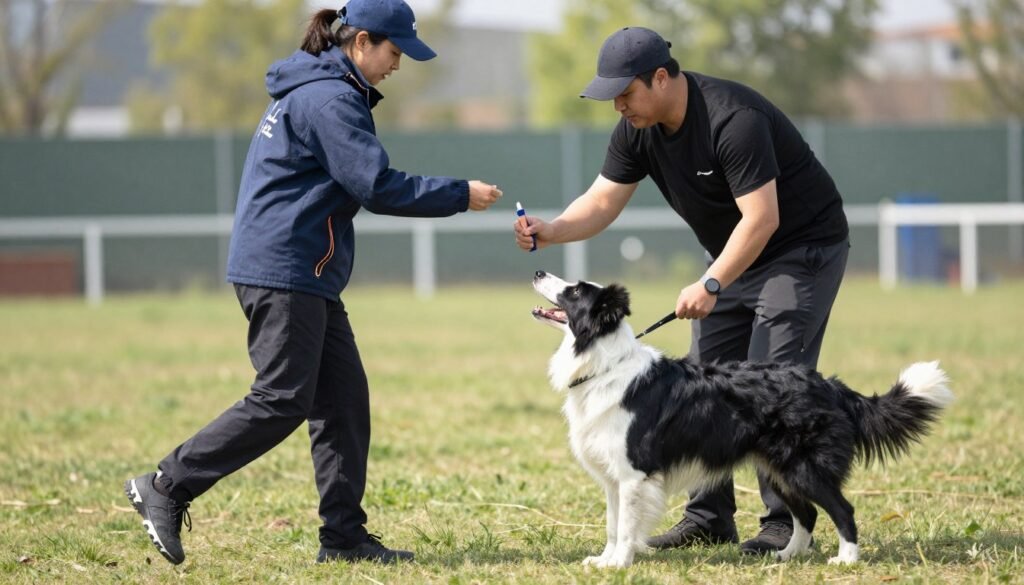
Structure behavior prompts to include when the behavior started, how often it occurs, what happens immediately before the behavior, your pet’s body language, and what you’ve already tried. This comprehensive approach helps AI identify patterns you might miss.
Training Plan Development
Effective training plans break complex behaviors into small, achievable steps. AI can create customized training schedules when you provide information about your pet’s current skill level, attention span, motivation factors, and your available training time.
Sample Training Prompt:
“I need to train my 18-month-old Australian Shepherd to stop jumping on guests when they enter our home. She knows basic commands like sit and stay but gets overly excited when the doorbell rings. We have guests visit 2-3 times per week. I can dedicate 15 minutes daily to training. She’s highly food motivated. What’s a step-by-step training plan?”
This prompt gives AI the context needed to design a realistic training progression that fits your schedule and uses your dog’s natural motivations.
Socialization and Enrichment
Proper socialization prevents many behavior problems. AI can suggest age-appropriate socialization activities, enrichment ideas, and mental stimulation exercises tailored to your pet’s personality and living situation.
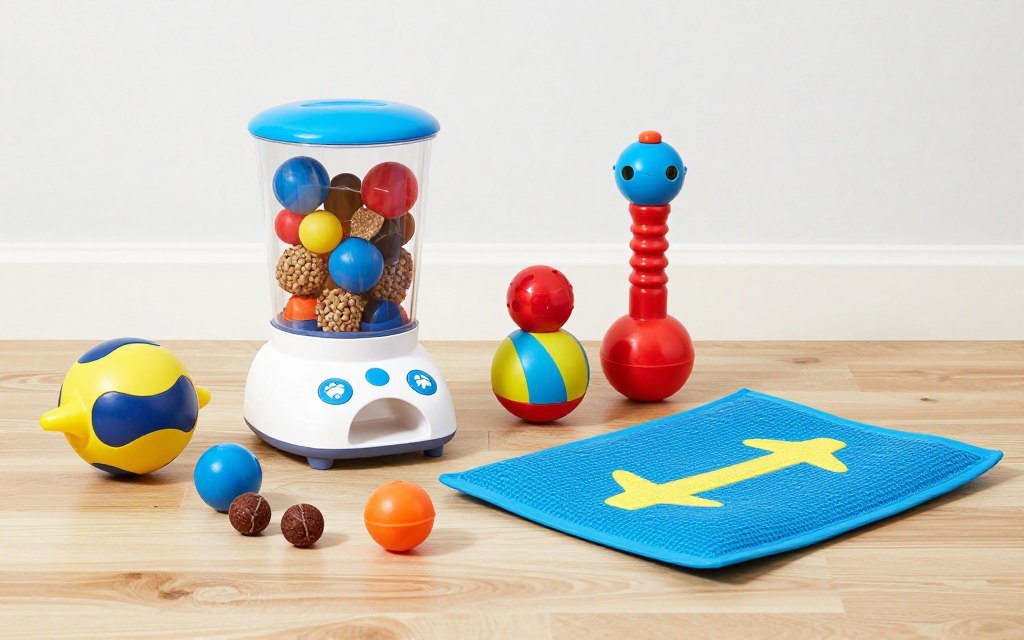
Ask AI about enrichment activities by describing your home environment, your pet’s energy level, existing toys and games, and time available for interaction. Include any fears or sensitivities that need accommodation during enrichment activities.
Stress and Anxiety Management
Many pets experience stress from separation anxiety, loud noises, or changes in routine. AI helps you develop calming strategies and desensitization plans when you describe stress triggers, physical symptoms, and your pet’s typical reactions.
Include information about your pet’s safe spaces, what currently helps them calm down, and any previous trauma or negative experiences. This context allows AI to suggest gentle, progressive approaches rather than generic advice that might worsen anxiety.
Real Examples: Generic vs. Expert-Level Prompts
The difference between basic and structured prompts becomes clear when you see them side by side. These real-world examples show how adding context and specificity transforms AI responses from general information into actionable guidance.
Generic Question
Question: “How do I train my puppy?”
AI Response: Generic overview of puppy training methods, basic commands, crate training basics, socialization importance, positive reinforcement concepts.
Problem: Too broad, no specific action steps, doesn’t address your unique situation or challenges.
Expert-Level Prompt
Prompt: “I have a 12-week-old Beagle puppy who struggles with leash walking. He pulls constantly and gets distracted by every smell. We live in a busy neighborhood with lots of dogs. I can train 10 minutes twice daily. He’s food motivated. Give me a 2-week training plan with daily exercises.”
AI Response: Detailed, week-by-week plan with specific exercises, timing, progression criteria, common challenges for scent hounds, distractions management.
Advantage: Actionable, personalized, realistic timeline, breed-specific considerations.
Health Monitoring Examples
Weak Health Prompt
- “My cat isn’t eating. What’s wrong?”
- Missing timeline information
- No behavior description
- No medical history
- No other symptoms mentioned
- Results in vague, generic response
Strong Health Prompt
- “My 9-year-old domestic shorthair cat has eaten only 25% of her normal food for the past 48 hours. She’s drinking water normally, using the litter box, but sleeping more than usual. No vomiting or diarrhea. She has a history of mild kidney disease managed with prescription food. Temperature is normal at 101.5°F. Should I call the vet today or monitor another 24 hours?”
- Specific timeline and measurements
- Complete symptom description
- Relevant medical history
- Objective vital sign data
- Clear question about next steps
Nutrition Planning Examples
Nutrition questions benefit enormously from structured prompts. Compare a basic question about feeding amounts to a detailed prompt that includes weight, activity level, current body condition, and health status.
Basic Nutrition Question:
“How much should I feed my dog?”
Response quality: General feeding guidelines, ranges based on dog size categories, standard recommendations.
Expert Nutrition Prompt:
“I have a 4-year-old spayed female Golden Retriever weighing 68 pounds with a body condition score of 6/9 (slightly overweight). She exercises 45 minutes daily including walking and fetch. Currently eating Brand X adult formula, 3 cups daily split into two meals. I want to gradually reduce her to a healthy weight of 62 pounds over 3 months. Calculate her daily caloric needs, recommend portion adjustments, and suggest low-calorie treat options.”
Response quality: Precise caloric calculations, specific portion recommendations with gradual reduction schedule, treat suggestions with calorie counts, weight loss timeline, monitoring checkpoints.
These examples demonstrate why structured prompts deliver superior results. You receive specific, actionable information instead of generic advice that requires further research and guesswork.
Tips for Getting Better AI Responses
Even with good basic prompts, you can improve AI responses through strategic questioning techniques and follow-up approaches. These tips help you maximize the value of every AI interaction for pet care.
Include Complete Context
AI tools perform best when you provide comprehensive background information. Start every pet care prompt with your pet’s species, breed, age, weight, and any chronic health conditions. These basic facts help AI tailor recommendations to your specific situation.
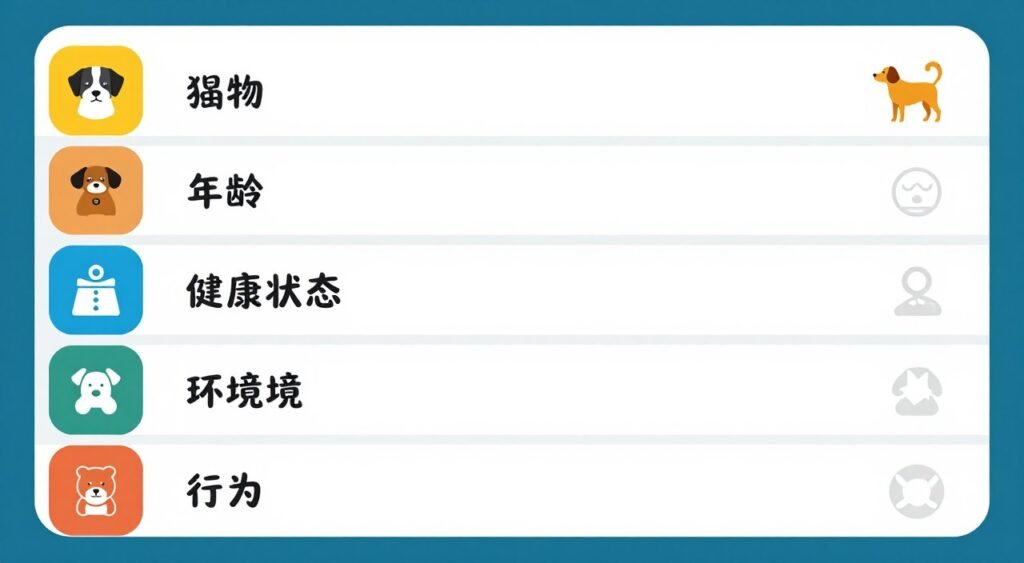
Essential Context Elements: Always include breed (affects health predispositions, behavior traits, training approaches), age (different life stages require different care), weight (critical for medication doses, food portions, health assessment), health history (ongoing conditions affect all recommendations), and living environment (apartment vs. house, urban vs. rural, other pets present).
Be Specific About Timing and Frequency
Vague time descriptions like “recently” or “sometimes” limit AI’s ability to assess urgency or patterns. Replace these with specific timeframes. Say “started three days ago” instead of “recently started.” Describe frequency as “occurs 4-5 times daily” rather than “happens often.”
Time-specific information helps AI distinguish between acute emergencies requiring immediate veterinary care and chronic issues you can address with training or environmental changes. This precision protects your pet’s health and helps you make informed decisions about when to seek professional help.
Ask for Structured Outputs
Tell AI exactly how you want information formatted. Request step-by-step instructions, bullet point lists, daily schedules, or comparison tables. This structured approach makes it easier to implement recommendations and track your progress.
For training plans, ask for week-by-week breakdowns with specific exercises for each day. For health monitoring, request symptoms checklists with severity indicators. For nutrition, ask for meal plans formatted as shopping lists and preparation instructions.
Use Follow-Up Questions Effectively
Your first prompt rarely captures everything you need to know. Use follow-up questions to drill deeper into specific aspects of the response. Ask for clarification on terms you don’t understand, request alternative approaches if the first suggestion doesn’t fit your situation, or seek additional details on implementation.
Effective Follow-Up Question Example:
Initial Response: AI suggests using positive reinforcement training for leash pulling.
Follow-Up Prompt: “Can you give me three specific positive reinforcement techniques for leash pulling with my Beagle, including exactly when to deliver treats, how to handle situations when treats aren’t working, and how to practice in our busy neighborhood with many distractions?”
This follow-up transforms general advice into specific, implementable techniques tailored to your breed and environment.
Reference Previous Conversations
When continuing discussions about the same pet issue, reference your previous conversation. Mention what you tried, what worked, what didn’t work, and what changed. This continuity helps AI provide progressively refined recommendations rather than repeating initial advice.
Tools like the Pet Care AI Prompt Pack include templates for follow-up questions and progress tracking prompts, ensuring you maintain context across multiple AI interactions about the same pet care issue.
Request Multiple Options
Pet care rarely has one perfect solution. Ask AI to provide multiple approaches ranked by difficulty, time investment, or cost. This gives you flexibility to choose methods that fit your resources and your pet’s temperament.
Single Approach Risk
- May not suit your pet’s personality
- Might require unavailable resources
- Could conflict with household schedule
- No backup if first method fails
Multiple Options Benefit
- Choose best fit for your situation
- Try alternatives if needed
- Compare time and cost investments
- Combine elements from different approaches
Key Benefits of Using AI in Pet Care Decision-Making
AI transforms how pet parents approach daily care decisions and long-term health planning. Understanding these benefits helps you recognize situations where AI tools add the most value to your pet care routine.
Immediate Access to Information
Pet health emergencies don’t follow business hours. AI tools provide instant access to information at 3 AM when your dog shows unusual symptoms or your cat refuses to eat. While this never replaces emergency veterinary care for serious issues, AI helps you assess urgency and decide whether to wait for morning or seek immediate help.

This 24/7 availability reduces anxiety for pet parents who worry about every small change in their pet’s behavior. You can quickly gather information, document symptoms systematically, and prepare informed questions for your veterinarian.
Cost-Effective Preliminary Research
Veterinary visits and professional training services cost money. AI helps you do preliminary research and attempt simple solutions before investing in professional services. For minor issues like choosing appropriate toys, adjusting feeding schedules, or starting basic training, AI guidance may resolve problems without additional costs.
When professional care becomes necessary, the research you’ve done with AI helps you have more productive conversations with veterinarians and trainers. You arrive informed about your pet’s condition, having tracked symptoms and tried appropriate first-line interventions.
Personalized Recommendations
Generic pet care advice often fails because every pet is unique. AI analyzes the specific details you provide about your individual pet and generates customized recommendations that account for breed characteristics, age-related needs, existing health conditions, and environmental factors.
Consistent Tracking and Documentation
AI helps you maintain consistent records of your pet’s health, behavior, training progress, and dietary changes. By regularly prompting AI with updates and asking for analysis of patterns over time, you create valuable documentation that helps professionals diagnose issues more quickly.
This systematic tracking reveals patterns you might miss in day-to-day observations. AI can identify correlations between diet changes and digestive issues, seasonal patterns in behavior problems, or gradual declines in activity that indicate emerging health concerns.
Stress Reduction for Pet Parents
Pet ownership comes with constant questions and decisions. AI reduces stress by providing clear guidance when you feel uncertain. Whether you’re a first-time pet owner or experienced with animals, having reliable information at your fingertips increases confidence in your care decisions.
The peace of mind from knowing you can quickly access quality information prevents the anxiety spiral that comes from endless internet searching through contradictory advice. AI synthesizes information from multiple sources and presents it in context specific to your pet.

Educational Value
Regular use of AI for pet care gradually educates you about animal health, behavior science, and training principles. Each interaction teaches you new concepts and helps you develop better observational skills. Over time, you become more knowledgeable and capable of preventing problems before they start.
This educational benefit extends to understanding when professional care is truly necessary versus situations you can handle independently. You learn to recognize red flags that require immediate veterinary attention while gaining confidence in managing routine care independently.
Popular AI Platforms for Pet Care
Several AI platforms serve pet owners, each with different strengths and limitations. Understanding these options helps you choose the right tools for your specific needs and combine them effectively.
| AI Platform | Best Use Cases | Strengths | Limitations | Cost |
| ChatGPT | General pet care questions, training plans, nutrition advice, behavior analysis | Conversational interface, detailed responses, good at creating structured plans | No image analysis in free version, requires well-structured prompts for best results | Free tier available, Plus subscription for advanced features |
| Claude | Complex health questions, document analysis, research summaries | Strong analytical capabilities, good with medical terminology, ethical considerations | More formal responses, may be overly cautious with health advice | Free tier available, Pro subscription for extended access |
| Google Bard | Quick information searches, product recommendations, local services | Internet-connected, can find current information, good for local recommendations | Less detailed training plans, varying response quality | Free |
| Specialized Pet AI Apps | Symptom checking, breed identification, vet service connections | Pet-specific databases, sometimes include telemedicine, image recognition for symptoms | Subscription costs, limited compared to general AI tools, variable quality | Varies, often subscription-based |
Choosing the Right Platform
Most pet parents benefit from using multiple AI platforms. General-purpose tools like ChatGPT excel at creating training plans and analyzing behavior patterns. Specialized pet apps may offer better symptom checking interfaces and direct connections to veterinary services.
The platform matters less than the quality of your prompts. Whether you use ChatGPT, Claude, or specialized pet care AI tools, structured prompts with complete context deliver better results than generic questions on any platform.
Ready to Ask Smarter Questions About Your Pet?
Stop struggling with generic AI responses. The Pet Care AI Prompt Pack gives you 100+ expertly-crafted prompts for health monitoring, nutrition planning, behavior training, and everyday care questions. Get the exact templates that transform AI tools into your personal pet care assistant.
Important Safety Considerations and AI Limitations
While AI provides valuable support for pet care, understanding its limitations protects your pet’s health and safety. Responsible AI use means knowing when to seek professional help and recognizing situations where AI guidance isn’t sufficient.
When AI Cannot Replace Veterinary Care
AI tools cannot diagnose diseases, prescribe medications, or provide emergency medical care. Certain situations always require immediate veterinary attention regardless of what AI suggests. These include difficulty breathing, uncontrolled bleeding, suspected poisoning, severe injuries, seizures, collapse, extreme lethargy, or sudden behavior changes.
Emergency Situations Requiring Immediate Vet Care: Difficulty breathing or choking, trauma from accidents or falls, suspected poisoning or toxin ingestion, seizures or loss of consciousness, severe vomiting or diarrhea with blood, inability to urinate or defecate, extreme pain or distress, heatstroke symptoms, bloat in large-breed dogs, eye injuries, broken bones or severe limping.

AI Data Limitations
AI training data has cutoff dates, meaning newer research, medications, or treatment protocols may not be included in responses. Veterinary medicine evolves constantly, and AI cannot replace the current knowledge of licensed veterinarians who engage in continuing education.
Additionally, AI cannot examine your pet physically, run diagnostic tests, or observe subtle cues that experienced veterinarians detect. Laboratory results, X-rays, ultrasounds, and other diagnostic tools remain essential for accurate diagnosis of many conditions.
Breed-Specific and Individual Variations
While AI understands general breed characteristics, individual pets vary significantly from breed standards. Your specific dog or cat may have unique health predispositions, temperament traits, or physical limitations that require professional assessment.
Certain breeds have specific health issues that require specialized knowledge. Brachycephalic breeds face breathing challenges, giant breeds have unique orthopedic concerns, and some breeds carry genetic conditions requiring specific testing and management. Always consult breed-specific veterinarians or specialists for these concerns.
Behavioral and Training Limitations
Serious aggression, extreme anxiety disorders, and complex behavior problems often require certified animal behaviorists or veterinary behaviorists. While AI can suggest initial approaches, professional evaluation becomes necessary when behaviors pose safety risks or significantly impact quality of life.
Professional Help Needed For: Aggression toward people or animals, severe separation anxiety causing property destruction, extreme fear or phobias interfering with daily life, compulsive behaviors like excessive licking or tail chasing, sudden personality changes or aggression in previously friendly pets.
Using AI Responsibly
Responsible AI use means treating it as one tool among many in your pet care approach. Combine AI guidance with regular veterinary checkups, professional training when needed, and your own observations as someone who knows your pet best.
Always verify AI recommendations against reliable sources like veterinary websites, peer-reviewed research, or professional organizations. When in doubt, consult your veterinarian before implementing major changes to your pet’s diet, exercise routine, or medication schedule.
Step-by-Step Guide to Implementing AI in Your Pet Care Routine
Successfully integrating AI into your pet care routine requires a systematic approach. This guide walks you through establishing an effective workflow that delivers consistent results without overwhelming you with technology.
Step 1: Establish Your Pet’s Baseline Profile
Create a comprehensive profile document for each pet including breed, age, weight, medical history, current medications, known allergies, behavior characteristics, and training level. Store this information where you can easily copy and paste it into AI prompts.
This baseline saves time and ensures consistency across all your AI interactions. Update it whenever significant changes occur in your pet’s health status, weight, or living situation.
- Document basic information: species, breed, age, sex, spay/neuter status, weight
- List all current and past health conditions with diagnosis dates
- Record all medications, supplements, and dosages
- Note any allergies or sensitivities (food, environmental, medication)
- Describe temperament, energy level, and training status
- Include living environment details (house/apartment, yard access, other pets)
Step 2: Choose Your Primary AI Platform
Select one AI platform as your primary tool for pet care questions. Consistency helps because the platform learns context from your previous conversations within the same chat session. Whether you choose ChatGPT, Claude, or another platform, commit to using it regularly.
Create a dedicated chat or conversation specifically for pet care topics. This organization makes it easy to reference previous discussions and maintain continuity across multiple sessions.

Step 3: Start with Simple, Low-Stakes Questions
Build confidence by starting with straightforward questions that don’t involve urgent health concerns. Ask about toy recommendations, exercise routines, grooming tips, or general care information. This practice helps you learn effective prompting techniques without high-pressure situations.
Evaluate the quality of responses and refine your prompting style based on what works. Notice which details improve answer quality and which information AI requests for clarification.
Step 4: Develop a Prompt Template System
Create templates for common question types you ask repeatedly. Health symptom templates, training plan templates, nutrition question templates, and behavior analysis templates save time and ensure you include all necessary information consistently.
The Pet Owner Essentials Prompt Pack and Pet Health & Symptom Checker Pack provide professional templates you can customize for your specific pets, eliminating the guesswork from prompt creation.
Step 5: Establish Regular Check-In Routines
Schedule regular AI consultations for ongoing concerns. Weekly check-ins for training progress, monthly reviews of diet and weight management, or seasonal updates for health monitoring help you maintain consistency and track changes over time.
Document AI recommendations and your pet’s responses in a simple log. This creates valuable records you can share with veterinarians and helps you identify what works for your individual pet.
Step 6: Integrate AI with Professional Care
Use AI to prepare for veterinary appointments by organizing symptoms, documenting behavior patterns, and generating informed questions. Share your AI-assisted observations with your vet to facilitate more productive appointments.
After vet visits, use AI to better understand diagnoses, clarify treatment instructions, and create implementation plans for prescribed care protocols. This bridges the gap between professional guidance and home execution.
Sample Implementation Timeline
Week 1: Create pet profile, choose AI platform, ask 3-5 simple questions
Week 2: Develop prompt templates for your most common questions
Week 3: Use AI for one specific goal (training plan, diet adjustment, behavior issue)
Week 4: Review results, refine approach, integrate into regular routine
Ongoing: Regular check-ins, documentation, continuous improvement
Advanced Strategies for Power Users
Once you master basic AI prompting for pet care, these advanced strategies unlock even greater value from AI tools. Power users combine multiple techniques to create comprehensive care systems that rival professional guidance.
Creating Multi-Week Training Protocols
Instead of asking for single training sessions, request complete protocols spanning several weeks. Specify progression criteria, regression protocols if your pet struggles, and alternative approaches for different learning styles. Ask AI to include checkpoint assessments to evaluate progress at key milestones.
Structure these requests to generate printable weekly plans you can follow systematically. Include space for notes about your pet’s responses, challenges encountered, and adjustments needed.
Comparative Analysis Prompts
Ask AI to compare multiple approaches to the same problem. Request analysis of pros and cons for different training methods, food brands, exercise routines, or behavior modification techniques. This comparative approach helps you make informed decisions based on your specific circumstances.
Standard Prompt
“How do I reduce my dog’s separation anxiety?”
Receives one general approach with standard recommendations.
Comparative Analysis Prompt
“Compare three different approaches to reducing separation anxiety in my 3-year-old rescue Labrador: gradual desensitization, crate training with positive association, and environmental management with puzzles and calming aids. For each approach, explain implementation steps, typical timeline to see results, resource requirements, and situations where that approach works best.”
Receives detailed comparison enabling informed choice based on your resources and dog’s needs.
Integration with Wearable Devices and Apps
Pet wearable devices track activity, sleep patterns, and sometimes vital signs. Use this data with AI prompts to gain deeper insights. Copy activity summaries or sleep data into prompts asking for pattern analysis and recommendations.
For example, combine fitness tracker data showing reduced activity levels with behavioral observations and ask AI to analyze potential causes and suggest interventions. This data-driven approach provides more precise guidance than observation alone.

Scenario Planning for Future Situations
Use AI to prepare for anticipated situations before they occur. Planning to travel with your pet? Ask AI to create comprehensive checklists, acclimation strategies, and contingency plans weeks before your trip. Preparing for a new baby? Request integration plans that help your pet adjust gradually.
This proactive approach prevents problems rather than reacting to crises. You develop strategies when you have time to think clearly rather than during stressful situations.
Building Personal Pet Care Knowledge Bases
Create a personal knowledge base by saving and organizing AI responses to your questions. Over time, you build a customized reference guide specific to your pets. Organize information by category: health issues encountered and resolved, successful training techniques, effective dietary adjustments, and behavior patterns identified.
This knowledge base becomes invaluable when similar issues recur or when you need to onboard pet sitters or new family members on your pet’s specific needs and routines.
Real-World Success Stories
Pet owners using structured AI prompts achieve remarkable results in health monitoring, behavior modification, and overall care quality. These real examples demonstrate practical applications and tangible benefits.
Case Study: Early Health Detection
Sarah noticed her 8-year-old Golden Retriever seemed slightly less energetic than usual. Instead of dismissing it as normal aging, she used AI with detailed prompts documenting activity levels, appetite, and behavior over two weeks. AI analysis suggested the gradual changes warranted veterinary evaluation despite no obvious symptoms.
The veterinary examination revealed early-stage kidney disease that would have progressed significantly before showing obvious symptoms. Early detection allowed for dietary management and monitoring that preserved kidney function. Sarah’s structured documentation helped her veterinarian establish baseline values and create an optimal treatment plan.
“Using AI to systematically track and analyze my dog’s subtle behavior changes literally added years to her healthy life. The structured prompts from the Pet Health pack taught me what details actually matter.”
Case Study: Behavior Transformation
Mike adopted a rescue dog with severe leash reactivity toward other dogs. Professional training was prohibitively expensive, and generic online advice wasn’t working. Using AI with detailed prompts about his dog’s specific triggers, body language, and environment, he developed a customized desensitization program.
The AI-generated training plan broke the process into manageable weekly goals with specific exercises appropriate for his dog’s arousal threshold. Within three months, his dog could walk calmly past other dogs at reasonable distances. The structured approach and consistent tracking revealed patterns that helped adjust the training protocol for faster progress.

Case Study: Nutrition Optimization
Jennifer’s cat developed chronic digestive issues that weren’t resolving with prescription diets. Working with her veterinarian’s approval, she used AI to analyze ingredients in various foods, identify potential sensitivities, and design an elimination diet protocol.
The structured AI prompts helped her methodically test ingredients and document responses. After six weeks following the AI-generated protocol, she identified the specific proteins causing problems and established a diet that resolved the digestive issues completely. Her detailed documentation helped her vet confirm the findings and provide long-term nutritional guidance.
Common Success Patterns
Successful AI users share common approaches. They document consistently, use structured prompts with complete context, follow through on recommendations systematically, and combine AI guidance with professional veterinary care. They treat AI as a powerful research and planning tool rather than expecting it to replace professional expertise.
The most significant success factor is asking better questions. Pet parents who invest time in crafting detailed, context-rich prompts consistently achieve better outcomes than those using generic questions, regardless of the underlying problem they’re addressing.
The Future of AI in Pet Care
Artificial intelligence continues evolving rapidly, bringing new capabilities that will further transform pet care. Understanding emerging trends helps you prepare for and adopt beneficial technologies as they become available.
Integration with Veterinary Platforms
Future AI systems will likely integrate directly with veterinary practice management platforms. Your pet’s complete medical records, lab results, and imaging could be analyzed by AI to identify subtle patterns and flag potential concerns for your veterinarian’s review.
This integration enables continuity between home monitoring and professional care. The observations you document using AI prompts could automatically sync with your vet’s records, providing comprehensive health timelines that improve diagnostic accuracy.
Advanced Image and Video Analysis
AI image recognition already identifies pet breeds and some visible health issues. Future capabilities will analyze videos of your pet’s movement to detect subtle lameness, track respiratory patterns to identify breathing difficulties, and assess body condition scores from photographs for precise weight management.
These visual analysis tools combined with your text-based prompts create multi-modal assessments that capture information impossible to convey through description alone.

Predictive Health Analytics
Machine learning algorithms analyzing data from millions of pets will enable predictive health analytics. AI might identify that your specific breed at your dog’s age with certain activity patterns has elevated risk for particular conditions, prompting proactive screening or preventive measures.
These predictive capabilities shift pet care from reactive treatment to proactive prevention, potentially catching diseases months or years before symptoms appear.
Real-Time Behavior Monitoring
Smart home cameras and wearable devices will feed real-time data to AI systems that monitor behavior patterns continuously. AI could alert you to unusual activity suggesting illness, stress, or emerging behavior problems before they become serious.
This continuous monitoring particularly benefits working pet parents who can’t directly observe their pets during the day. AI becomes an extra set of eyes ensuring your pet’s safety and wellbeing while you’re away.
Personalized AI Assistants
Future AI systems will learn your specific pets over time, building individualized models of normal behavior, health patterns, and responses to interventions. Your AI assistant will know that your dog always limps slightly in cold weather or that your cat becomes anxious during thunderstorms.
This personalization makes recommendations increasingly accurate and relevant as the system learns what works specifically for your pets rather than relying solely on general knowledge about the breed or species.
Getting Started with AI for Pet Care Today
You don’t need to wait for future innovations to benefit from AI in pet care. Start using these tools today with a simple, practical approach that fits your current situation and gradually expands as you gain confidence.
Your First AI Pet Care Session
Begin with one specific question or concern you currently have about your pet. Open ChatGPT, Claude, or your preferred AI platform. Write a detailed prompt including your pet’s breed, age, weight, and all relevant context about the situation you’re addressing.
Read the response carefully and ask follow-up questions to clarify anything unclear. Implement one suggestion from the AI response and observe the results over several days. Document what happens and report back to AI with an update for refined recommendations.
Starter Prompt Template
“I have a [age] [breed] [dog/cat] weighing [weight] pounds. [He/She] is experiencing [specific issue with details]. This started [timeframe] and occurs [frequency]. [His/Her] normal behavior is [description]. I’ve tried [previous attempts]. My living situation is [relevant details]. What would you recommend I try first, and what should I monitor to evaluate if it’s working?”
Building Your Prompt Library
As you ask various questions, save the prompts that generate particularly helpful responses. Organize them by category in a simple document. When similar situations arise in the future, you can quickly modify proven prompts rather than starting from scratch.
Alternatively, access professionally designed prompt templates through resources like the Pet Care AI Prompt Pack collection, which includes templates for health monitoring, nutrition planning, behavior training, and everyday care questions.

Establishing Consistent Habits
Success with AI for pet care comes from consistent use rather than occasional crisis management. Set aside 10-15 minutes weekly to review your pet’s health, behavior, and care routine using AI analysis.
Regular check-ins help you catch small issues before they become big problems. Weekly structured reviews create valuable longitudinal data about your pet’s health patterns, seasonal variations, and responses to different care approaches.
Combining AI with Other Resources
AI works best as part of a comprehensive pet care approach. Continue regular veterinary checkups, invest in professional training when needed, and participate in pet owner communities where you can share experiences and learn from others.
Use AI to research topics more efficiently, prepare better questions for professionals, and implement care plans more systematically. The combination of AI-powered research, professional expertise, and your personal observations creates optimal care for your pet.
Transform Your Pet Care with Expert AI Prompts
You’ve learned how the right questions unlock AI’s full potential for pet care. Now it’s time to put this knowledge into action.
The Pet Care AI Prompt Pack gives you instant access to 100+ professionally designed prompts covering:
- Health monitoring and symptom assessment templates
- Nutrition planning and diet optimization prompts
- Behavior analysis and training plan frameworks
- Emergency triage question structures
- Preventive care scheduling and tracking prompts
- Breed-specific concern templates
- Vet appointment preparation checklists
Stop wasting time crafting prompts from scratch. Get proven templates that deliver actionable answers immediately. Your pet deserves the best care, and you deserve tools that make it easier.
Not Ready to Purchase? Start with the free AI prompt starter pack to experience how structured prompts improve your AI interactions. Then upgrade when you’re ready for comprehensive pet care templates.
Conclusion: Empowering Pet Parents Through Better Questions
AI for pet care isn’t about replacing veterinarians, trainers, or your own judgment. It’s about asking better questions that lead to better answers. When you provide AI with complete context, specific details, and structured prompts, you unlock insights that help you make informed decisions about your pet’s health, behavior, nutrition, and training.
The difference between frustrating, generic AI responses and genuinely helpful guidance comes down to how you ask. Generic questions produce generic answers. Detailed, structured prompts that include your pet’s individual characteristics, complete situation context, and specific goals generate personalized recommendations you can actually implement.
Start today with one question about your pet. Apply the principles you’ve learned in this guide. Include breed, age, weight, relevant history, and complete situation details. Ask for specific, actionable recommendations. Follow up with clarifying questions. Document the results.
As you develop this skill, you’ll find AI becomes an invaluable tool in your pet care routine. You’ll catch health issues earlier, solve behavior problems more effectively, optimize nutrition with confidence, and provide better overall care for the pets you love.
The future of pet care combines human expertise, professional veterinary medicine, and AI-powered insights. Pet parents who learn to leverage all three resources give their pets the absolute best chance at long, healthy, happy lives. Your journey to smarter pet care questions starts now.
Build Smarter Content Systems with Practical Mini-Guides
Short, actionable digital guides designed to help creators, bloggers, affiliate marketers, and online business owners learn faster, take action sooner, and grow with more clarity.

Pinterest Excellence Playbook
Evergreen traffic + Pinterest SEO. A practical Pinterest growth blueprint covering platform positioning, profile SEO, branding consistency, content planning, pin design, publishing cadence, analytics, monetization, and weekly execution.
View Guide
Google Web Story Excellence Playbook
Visual SEO + mobile traffic. A complete mini guide for planning, designing, optimizing, publishing, and monetizing Google Web Stories that can rank in Search and Google Discover.
View Guide
YouTube Excellence Playbook
Channel growth + SEO system. A practical YouTube growth blueprint covering channel strategy, branding, content planning, YouTube SEO, asset dimensions, analytics, engagement, technical quality, monetization, safety, and weekly workflow.
View Guide
Instagram Excellence Playbook
Profile growth + engagement. A complete Instagram growth blueprint covering profile optimization, content strategy, posting system, SEO, engagement, and monetization.
View Guide
Facebook Excellence Playbook
Reach + content strategy. A complete Facebook growth blueprint covering page positioning, branding, content planning, posting strategy, SEO, analytics, engagement, monetization, and compliance.
View Guide🚀 Want More Practical Digital Resources?
Explore SmartResourceVault for AI prompts, templates, planners, trackers, mini-guides, audio resources, and bundles built for faster execution and everyday growth.
📘 Browse Mini Guides »💼 Build Your AI-Powered Income
Turn your ideas into income with these bestselling guides:



🌟 Ready to Build Your AI Income Stream?
You’ve learned the tools — now master the strategies!
Explore our exclusive AI Side Hustle & Passive Income eBooks to start earning smarter with ChatGPT, Canva, and automation tools.