
Did you know that 3,400,000 users trust Rask AI for their subtitling and translation needs, rating it 4.7 stars? This staggering number highlights the growing importance of making video content accessible to a global audience.
With machine learning transcription software, creators can now easily reach viewers worldwide. AI-powered subtitling and translation tools offer features like automatic translation into 130+ languages, VoiceClone, and multi-speaker functionality, making it easier to elevate your content.
By leveraging these innovative solutions, video creators can significantly expand their audience and improve accessibility, making their content more inclusive and engaging.
Key Takeaways
- AI subtitling and translation tools can help creators reach a global audience.
- Rask AI is a trusted solution with 4.7-star ratings and 3,400,000 users.
- Machine learning transcription software improves video accessibility.
- Automatic translation into 130+ languages is now possible.
- Features like VoiceClone and multi-speaker enhance content engagement.
The Power of AI in Video Content Accessibility
AI-powered solutions are at the forefront of enhancing video content accessibility, offering unprecedented opportunities for content creators. By leveraging advanced technologies such as speech recognition and machine learning, AI is transforming the way we consume and interact with video content.
How AI is Transforming Video Subtitling
The process of subtitling videos has traditionally been time-consuming and labor-intensive. However, with the advent of automatic subtitle generators, this task has become significantly more manageable. AI algorithms can now analyze audio tracks, identify spoken words, and generate accurate subtitles in real-time.
This technology not only saves time but also improves the accuracy of subtitles, making video content more accessible to a wider audience, including those who are deaf or hard of hearing.
The Growing Demand for Multilingual Content
In today’s globalized world, the demand for multilingual video captioning tools is on the rise. Content creators are looking to reach audiences beyond their native language speakers, and AI-powered translation solutions are making this possible.
By providing accurate and context-based translations, AI is enabling businesses to expand their global reach and engage with diverse audiences more effectively.
Accessibility Standards and Compliance Benefits
Implementing AI in video subtitling and translation not only enhances accessibility but also helps businesses comply with accessibility standards and regulations. This is particularly important for organizations operating in regions with strict accessibility laws.
By adopting AI-powered subtitling and translation solutions, businesses can ensure that their video content is compliant with relevant regulations, thereby avoiding potential legal issues and enhancing their brand reputation.
Understanding AI Video Subtitling & Translation Tools
AI video subtitling and translation tools are transforming how we consume and interact with video content. These tools leverage advanced technologies to provide accurate and efficient subtitling and translation services.
Core Technologies Behind AI Subtitling
The core of AI subtitling lies in speech-to-text technology, which enables the conversion of spoken language into text. This technology is crucial for generating subtitles in the original language of the video.
Maestra AI offers a subtitling feature that can generate subtitles in over 125 languages, showcasing the capabilities of modern AI subtitling tools.
Speech-to-Text vs. Translation Capabilities
While speech-to-text technology focuses on transcribing spoken words into text, translation capabilities involve converting the transcribed text into different languages. DeepL Voice is an example of a reliable live subtitle translator known for its accuracy.
| Feature | Speech-to-Text | Translation |
|---|---|---|
| Primary Function | Transcribe spoken words | Translate text into other languages |
| Technological Basis | AI-driven speech recognition | Machine learning algorithms |
| Example Tools | Maestra AI, Rev.ai | DeepL, Google Translate |
Accuracy Levels in Modern AI Solutions
Modern AI solutions have significantly improved in terms of accuracy. Factors such as audio quality, dialect, and background noise can affect accuracy. However, tools like Maestra AI and DeepL Voice have demonstrated high accuracy levels even in challenging conditions.

The table above highlights the key differences between speech-to-text and translation capabilities, showcasing the distinct roles they play in AI video subtitling and translation tools.
Key Benefits of Implementing AI Subtitles
Implementing AI subtitles can revolutionize your video content strategy by making it more accessible, discoverable, and engaging for a wider audience. The benefits of using an automated video subtitler are multifaceted, impacting various aspects of video content creation and distribution.
Expanding Global Reach and Audience
One of the primary advantages of AI subtitling is the ability to expand your global reach. By providing subtitles in multiple languages, you can cater to a diverse audience, breaking down language barriers and making your content more inclusive. Language localization software like Rask AI’s API enables efficient translation and subtitling, allowing you to target new markets and demographics.
For instance, a study by the Digital Marketing Institute found that 72% of consumers are more likely to buy a product or service if it’s available in their native language. By leveraging AI subtitles, you can tap into this vast market, increasing your brand’s global visibility and appeal.
Improving Content Accessibility
AI subtitles significantly improve content accessibility for viewers with hearing impairments or those watching videos in noisy environments. By providing accurate and synchronized subtitles, you can ensure that your message is conveyed effectively to a broader audience.
“The power of subtitles lies in their ability to make content accessible to everyone, regardless of their hearing ability or native language.”
SEO and Discoverability Advantages
AI-generated subtitles can also boost your video’s SEO and discoverability. Search engines can crawl the text within subtitles, improving your video’s visibility in search results. This is particularly important for content creators looking to increase their online presence and reach a wider audience.
| SEO Benefit | Description |
|---|---|
| Increased Keyword Visibility | Subtitles provide additional text for search engines to index, improving keyword visibility. |
| Enhanced Video Discoverability | Accurate subtitles help search engines understand video content, making it more discoverable. |
| Better User Engagement Metrics | Subtitles can lead to longer watch times and improved engagement, positively impacting SEO. |
Enhanced Viewer Engagement Metrics
The use of AI subtitles can lead to improved viewer engagement metrics. By making your content more accessible and enjoyable, you can increase viewer retention and overall engagement. This, in turn, can lead to higher conversion rates and a more effective video content strategy.
In conclusion, the implementation of AI subtitles offers numerous benefits, from expanding your global reach to improving content accessibility and enhancing viewer engagement metrics. By leveraging language localization software and automated video subtitler technologies, you can take your video content strategy to the next level.
Top AI-Powered Automatic Subtitle Generators
The demand for AI-driven subtitling solutions is on the rise, driven by the need for global language subtitles. As video content continues to expand across the globe, the importance of making it accessible to diverse audiences cannot be overstated. AI-powered automatic subtitle generators are at the forefront of this accessibility revolution, offering a range of solutions tailored to different needs and industries.
Enterprise Solutions
Enterprise solutions like Speechmatics, Rev.ai, and AWS Transcribe are designed to meet the complex needs of large organizations. These platforms offer advanced features such as high accuracy levels, support for multiple languages, and integration with existing content management systems.
- Speechmatics: Known for its advanced speech recognition technology, supporting over 34 languages.
- Rev.ai: Offers both human and automated subtitle translation services into 37+ languages, providing flexibility for different quality requirements.
- AWS Transcribe: Utilizes Amazon’s powerful AI to provide accurate transcription and subtitling, integrating well with other AWS services.
| Platform | Languages Supported | Key Features |
|---|---|---|
| Speechmatics | 34+ | Advanced speech recognition, customizable models |
| Rev.ai | 37+ | Human and automated translation, high accuracy |
| AWS Transcribe | Multiple | Integration with AWS services, real-time transcription |
Creator-Focused Tools
For individual creators and smaller teams, tools like Descript, Kapwing, and Zubtitle offer user-friendly interfaces and powerful AI-driven subtitling capabilities. These platforms are designed to simplify the content creation process, making it easier to produce high-quality, accessible videos.
- Descript: Offers a comprehensive editing suite with AI-powered transcription and subtitling.
- Kapwing: Provides an easy-to-use platform for creating and editing subtitles, along with other video editing tools.
- Zubtitle: Specializes in automated subtitling with support for multiple languages and customizable styles.

Open-Source and Free Alternatives
For those on a budget or with specific customization needs, open-source and free alternatives are available. While these may require more technical expertise, they offer a cost-effective solution for subtitling needs.
Some notable open-source and free alternatives include:
- Audext: Offers free transcription and subtitling services with support for multiple languages.
- Subtitle Editor: An open-source tool for creating and editing subtitles, available for various operating systems.
By leveraging these AI-powered automatic subtitle generators, content creators can significantly enhance the accessibility and reach of their videos, catering to a global audience with diverse language needs.
Multilingual Video Captioning Tools for Global Content
Multilingual video captioning tools are revolutionizing the way global content is consumed and interacted with. These tools enable content creators to reach a broader audience by providing captions in multiple languages, thereby enhancing viewer engagement and accessibility.
Support for Multiple Languages and Character Sets
One of the key features of multilingual video captioning tools is their support for multiple languages and character sets. Tools like JotMe and Maestra AI are at the forefront, offering support for 45+ and 125+ languages, respectively. This extensive language support allows creators to cater to diverse linguistic audiences worldwide.
For instance, JotMe’s real-time subtitle translation feature can be particularly useful for global events, conferences, and educational content. Similarly, Maestra AI’s broad language support makes it an ideal choice for creators looking to expand their global footprint.
Cultural Adaptation Features
Beyond language support, cultural adaptation is crucial for effective global content dissemination. Advanced multilingual video captioning tools incorporate cultural nuances, ensuring that the content is not only translated but also adapted to resonate with local audiences.
This involves understanding local idioms, expressions, and cultural references that may not have direct translations. By adapting content culturally, creators can avoid misinterpretations and enhance viewer engagement.
Dialect and Accent Recognition Capabilities
Another significant aspect of these tools is their ability to recognize various dialects and accents. This feature is particularly important for content that includes diverse speakers or regional dialects.
For example, some AI-powered tools can differentiate between similar languages or dialects, ensuring accurate subtitling even when the audio includes complex or mixed dialects.
Handling Idiomatic Expressions and Slang
Idiomatic expressions and slang pose a significant challenge in translation. Multilingual video captioning tools that can handle these elements effectively are invaluable for creating authentic and engaging content.
By accurately translating idioms and slang, these tools help maintain the original tone and intent of the content, ensuring that the message is conveyed effectively across different cultures and languages.
| Tool | Languages Supported | Real-time Translation | Cultural Adaptation |
|---|---|---|---|
| JotMe | 45+ | Yes | Limited |
| Maestra AI | 125+ | Yes | Yes |
| Other Tools | Varies | Varies | Varies |
As the demand for global content continues to grow, the role of multilingual video captioning tools will become increasingly vital. By supporting multiple languages, adapting to cultural nuances, and handling complex dialects and expressions, these tools are set to revolutionize the way we consume and interact with video content worldwide.
Real-Time Video Translation Technologies
Real-time video translation is revolutionizing the way we consume content globally. This technology enables the translation of audio and subtitles in real-time, making live events and streaming content accessible to a broader audience.
Live Streaming Applications
Live streaming applications have seen a significant boost with the integration of real-time video translation. Platforms such as YouTube Live, Facebook Live, and LinkedIn Live are leveraging this technology to provide global reach. For instance, DeepL Voice is a reliable live subtitle translator that offers accurate translations, enhancing the viewer’s experience.
Real-time translated subtitles allow content creators to engage with their audience in multiple languages simultaneously. This capability is particularly beneficial for international conferences, webinars, and live entertainment events.
Latency and Performance Considerations
One of the critical aspects of real-time video translation is minimizing latency. Technologies like JotMe provide real-time translated subtitles with no noticeable latency, ensuring a seamless viewing experience. The performance of these systems depends on advanced speech-to-text algorithms and robust infrastructure.
To achieve low latency, service providers employ optimized data processing pipelines and edge computing. This ensures that translations are delivered quickly, maintaining the synchronization between the original audio and the translated subtitles.
Integration with Popular Streaming Platforms
Real-time video translation technologies are being integrated with popular streaming platforms to enhance their global appeal. This integration involves APIs and SDKs that allow for seamless translation and subtitling. For example, platforms can use these technologies to offer multilingual support, thereby expanding their user base.
| Platform | Integration Feature | Benefit |
|---|---|---|
| YouTube Live | Real-time Subtitling | Global Audience Reach |
| Facebook Live | Multilingual Support | Enhanced Engagement |
| LinkedIn Live | Automated Translation | Increased Viewership |
Use Cases for Business and Education
Real-time video translation has numerous applications in business and education. In the corporate world, it facilitates global communication during international conferences and meetings. Educational institutions use it to make online courses accessible to students worldwide.
For businesses, this technology enhances collaboration across different regions. It allows companies to conduct training sessions and webinars that cater to a linguistically diverse audience. In education, it promotes inclusivity by providing access to educational content for students who speak different languages.

Advanced Speech-to-Text Technology in Video Production
The advent of advanced speech-to-text technology has revolutionized video production by enhancing the accuracy and quality of subtitles. This technology leverages machine learning transcription software to provide precise and efficient subtitling solutions.
Noise Filtering and Audio Enhancement
One of the critical features of advanced speech-to-text technology is its ability to filter out background noise and enhance audio quality. This is particularly useful in video production, where poor audio quality can significantly impact subtitle accuracy. By utilizing sophisticated algorithms, these systems can differentiate between speech and background noise, ensuring that the subtitles are based on clear and crisp audio.
Automated video subtitler tools equipped with noise filtering capabilities can handle a variety of audio environments, from studio recordings to live events with significant background noise.
Speaker Identification and Diarization
Advanced speech-to-text systems also offer speaker identification and diarization features. This means that they can not only transcribe speech but also identify different speakers within a conversation. This feature is particularly useful in multi-speaker scenarios, such as interviews, panel discussions, and conferences.
For instance, Rask AI’s VoiceClone feature allows for creating a clone of the user’s voice in 32 languages and offers a multi-speaker feature that accurately detects the number of individuals speaking in a video. This level of sophistication enhances the overall quality and accuracy of subtitles.
Handling Overlapping Speech and Background Music
Another challenge in video subtitling is handling overlapping speech and background music. Advanced speech-to-text technology addresses this by using complex algorithms that can distinguish between different audio sources. This ensures that subtitles are accurate even in complex audio environments.
By leveraging these advanced features, video producers can ensure that their content is accessible to a wider audience, including those who are deaf or hard of hearing. Moreover, the use of automated video subtitler tools streamlines the production process, saving time and reducing costs associated with manual subtitling.
Cost Considerations and ROI of AI Subtitling Solutions
As businesses increasingly adopt AI subtitling solutions, understanding the cost implications becomes crucial for maximizing return on investment. The financial aspects of implementing these technologies can vary significantly based on several factors, including the chosen pricing model and the scale of content being processed.
Subscription vs. Pay-Per-Use Models
AI subtitling solutions typically offer two primary pricing models: subscription-based and pay-per-use. The subscription model provides access to the service for a fixed period, usually monthly or annually, allowing for a predictable budget. In contrast, the pay-per-use model charges based on the actual usage, such as the number of minutes or hours of content processed. Companies like Rev offer both human and automated subtitle translation services, with costs varying significantly between the two.
- Subscription models are ideal for businesses with consistent, ongoing subtitling needs.
- Pay-per-use models suit companies with fluctuating or project-based requirements.
Comparing AI Costs to Human Translation Services
One of the significant advantages of AI subtitling solutions is their cost-effectiveness compared to human translation services. While human translation offers high accuracy and nuance, it is often more expensive and time-consuming. AI solutions, such as those provided by Rask AI, automate the translation process, significantly reducing costs. However, it’s essential to consider the trade-offs between cost, accuracy, and turnaround time when choosing between AI and human services.
| Service Type | Cost | Turnaround Time | Accuracy |
|---|---|---|---|
| AI Subtitling | Lower | Faster | High |
| Human Translation | Higher | Slower | Very High |
Measuring Return on Investment
To measure the ROI of AI subtitling solutions, businesses should consider factors such as increased audience reach, improved viewer engagement, and enhanced content accessibility. By expanding their content’s global appeal through multilingual subtitles, companies can potentially increase their revenue. It’s crucial to track key performance indicators (KPIs) related to content consumption and customer engagement to assess the effectiveness of AI subtitling investments.
- Monitor changes in viewer engagement metrics post-implementation.
- Track the growth in audience size across different regions.
- Assess the impact on overall business revenue attributed to subtitled content.
Scaling Costs for Enterprise Content Libraries
For enterprises with extensive content libraries, scaling AI subtitling solutions can be a significant consideration. The cost of processing large volumes of content can add up, but so can the benefits. By implementing efficient workflows and potentially leveraging bulk processing discounts, enterprises can manage their costs effectively. It’s also worth exploring the integration of AI subtitling with existing content management systems to streamline processes.

By carefully evaluating the cost considerations and potential ROI of AI subtitling solutions, businesses can make informed decisions about their language localization strategies, ultimately enhancing their global reach and competitiveness in the market.
Common Challenges and Practical Solutions
While AI-powered audio transcription and automatic subtitle generation have revolutionized video content accessibility, several hurdles remain. Implementing these technologies effectively requires understanding and addressing the challenges that arise during the process.
Handling Poor Audio Quality
One of the significant challenges in AI subtitling is dealing with poor audio quality. Background noise, low volume, or distorted audio can significantly affect the accuracy of AI subtitling solutions. To mitigate this, using noise reduction techniques and ensuring that the audio is clear and crisp can improve transcription accuracy.
Tools like Maestra AI offer advanced subtitling features that can handle various video formats and audio qualities, providing a robust solution for content creators.
Managing Technical Terminology and Proper Names
AI systems often struggle with technical terminology, proper names, and industry-specific jargon. To address this, it’s essential to train AI models with relevant datasets that include these specialized terms. Customizable AI solutions can learn from feedback, improving their accuracy over time.
JotMe, for instance, understands cultural nuances and provides accurate translations, making it a valuable tool for managing complex terminology.
Implementing Human Review Workflows
While AI has made tremendous progress, human oversight remains crucial for ensuring the highest quality subtitles. Implementing human review workflows allows for the detection and correction of errors that AI might miss. This hybrid approach combines the efficiency of AI with the accuracy of human review.
Integrating with Existing Content Management Systems
Seamless integration with existing content management systems (CMS) is vital for the efficient use of AI subtitling solutions. APIs and compatible plugins can facilitate this integration, enabling a streamlined workflow that enhances productivity.
By addressing these challenges with practical solutions, content creators and businesses can fully leverage the potential of AI in subtitling and translation, making their video content more accessible and engaging for a global audience.
Conclusion: The Future of AI in Video Subtitling and Translation
The use of AI in video subtitling and translation is revolutionizing the way video content is created and consumed. With tools like Rask AI and JotMe leading the way, creators can now produce high-quality, accessible video content with ease.
As ai video subtitling & translation tools continue to evolve, we can expect to see even more sophisticated language localization software. This will enable businesses and creators to reach a global audience, breaking down language barriers and expanding their reach.
The future of AI in video subtitling and translation looks bright, with potential applications in various industries, including education, entertainment, and corporate communications. By leveraging these technologies, organizations can improve content accessibility, enhance viewer engagement, and drive business growth.
As the demand for multilingual content continues to grow, the importance of ai video subtitling & translation tools will only continue to increase. By embracing these technologies, creators and businesses can stay ahead of the curve and capitalize on new opportunities in the global market.
FAQ
What is AI subtitling and how does it work?
How accurate are AI-powered subtitling tools?
Can AI subtitling tools support multiple languages?
What are the benefits of using AI subtitles for video content?
How do I choose the right AI subtitling tool for my needs?
Can AI subtitling tools handle real-time video translation?
How do AI subtitling tools handle poor audio quality?
What are the cost considerations for AI subtitling solutions?
Can AI subtitling tools be integrated with existing content management systems?
Build Smarter Content Systems with Practical Mini-Guides
Short, actionable digital guides designed to help creators, bloggers, affiliate marketers, and online business owners learn faster, take action sooner, and grow with more clarity.

Pinterest Excellence Playbook
Evergreen traffic + Pinterest SEO. A practical Pinterest growth blueprint covering platform positioning, profile SEO, branding consistency, content planning, pin design, publishing cadence, analytics, monetization, and weekly execution.
View Guide
Google Web Story Excellence Playbook
Visual SEO + mobile traffic. A complete mini guide for planning, designing, optimizing, publishing, and monetizing Google Web Stories that can rank in Search and Google Discover.
View Guide
YouTube Excellence Playbook
Channel growth + SEO system. A practical YouTube growth blueprint covering channel strategy, branding, content planning, YouTube SEO, asset dimensions, analytics, engagement, technical quality, monetization, safety, and weekly workflow.
View Guide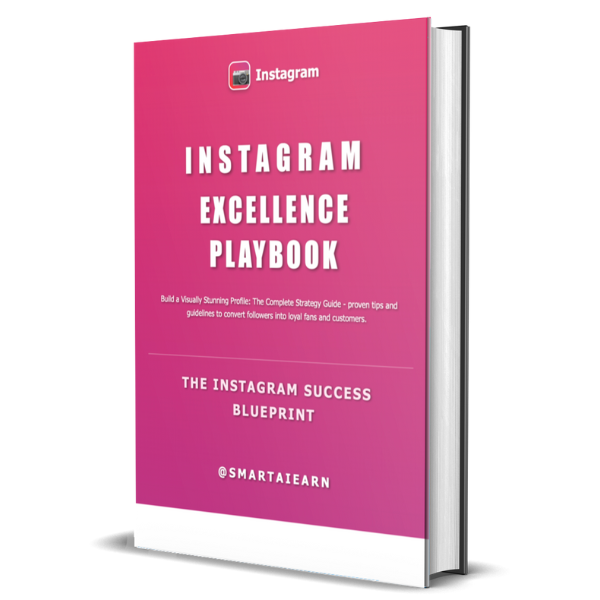
Instagram Excellence Playbook
Profile growth + engagement. A complete Instagram growth blueprint covering profile optimization, content strategy, posting system, SEO, engagement, and monetization.
View Guide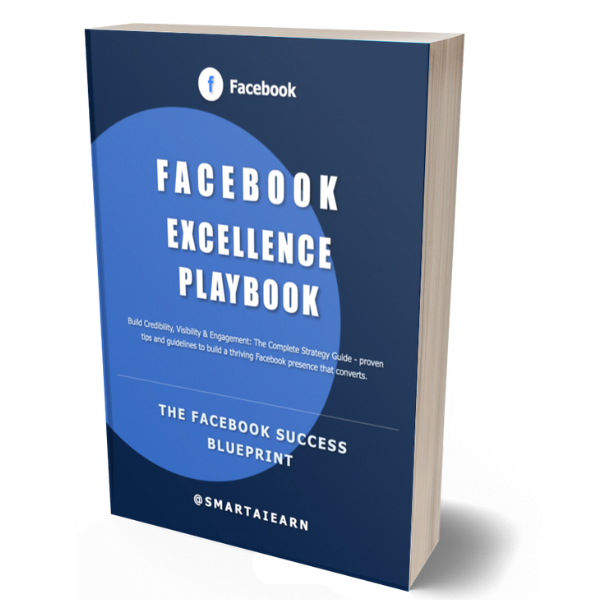
Facebook Excellence Playbook
Reach + content strategy. A complete Facebook growth blueprint covering page positioning, branding, content planning, posting strategy, SEO, analytics, engagement, monetization, and compliance.
View Guide🚀 Want More Practical Digital Resources?
Explore SmartResourceVault for AI prompts, templates, planners, trackers, mini-guides, audio resources, and bundles built for faster execution and everyday growth.
📘 Browse Mini Guides »💼 Build Your AI-Powered Income
Turn your ideas into income with these bestselling guides:


🌟 Ready to Build Your AI Income Stream?
You’ve learned the tools — now master the strategies!
Explore our exclusive AI Side Hustle & Passive Income eBooks to start earning smarter with ChatGPT, Canva, and automation tools.