
The world of artificial intelligence is rapidly evolving, and savvy individuals are capitalizing on this trend. Did you know that the global AI market is projected to reach $190 billion by 2025? This staggering growth presents a lucrative opportunity for those willing to learn and adapt.
To navigate this complex landscape, a comprehensive AI study guide is essential. Such a guide breaks down the most profitable ways to earn money using AI, recommends the best AI tools, and shows how to turn AI-generated ideas into long-term income streams.
By leveraging the right AI learning platform, you can stay ahead of the curve and unlock new revenue streams. This article will provide an overview of how to get started with the AI hustle and maximize your earnings potential.
Key Takeaways
- Discover the most profitable ways to earn money using AI.
- Learn how to choose the best AI tools for your needs.
- Understand how to turn AI-generated ideas into long-term income.
- Get started with the AI hustle and maximize your earnings.
- Stay ahead of the curve with the right AI learning platform.
The AI Gold Rush: Why Now Is the Perfect Time to Cash In
The AI revolution is in full swing, presenting a lucrative opportunity for those ready to seize it. As artificial intelligence continues to transform industries, the demand for skilled professionals who can harness its power is skyrocketing.
Current State of the AI Industry in the US
The United States is at the forefront of the AI revolution, with significant investments in AI research and development. According to recent data, the global artificial intelligence market, valued at over $279 billion in 2024, is projected to surge past $3.4 trillion by 2033. This growth is driven by the increasing adoption of AI technologies across various sectors, including healthcare, finance, and manufacturing.
Key statistics highlighting the current state of the AI industry include:
| Category | 2024 | 2033 (Projected) |
|---|---|---|
| Global AI Market Size | $279 billion | $3.4 trillion |
| AI Job Postings | 15% increase | 50% increase |
| AI Adoption Rate | 40% of enterprises | 80% of enterprises |
Growth Projections and Market Opportunities
The AI industry is poised for exponential growth, with numerous market opportunities emerging. As AI technologies become more sophisticated, their applications are expanding beyond traditional tech sectors into areas like education, transportation, and customer service.
“AI is not just a technology; it’s a catalyst for a new wave of innovation and productivity. As AI continues to evolve, it will unlock new opportunities and create new markets.” – Andrew Ng, AI Pioneer
The growth projections indicate a significant increase in demand for AI professionals, with job postings expected to rise by 50% by 2033. This surge presents a substantial opportunity for individuals with AI skills to capitalize on their knowledge and expertise.
Why AI Skills Command Premium Salaries
Acquiring AI skills can lead to premium salaries due to the high demand for professionals who can develop, implement, and manage AI solutions. As AI continues to transform businesses, the need for skilled workers who can navigate this technology is becoming increasingly critical.
Reasons why AI skills are highly valued include:
- High demand across multiple industries
- Limited supply of skilled AI professionals
- Significant impact on business operations and revenue
By investing in AI education and training, individuals can position themselves for lucrative career opportunities and stay ahead in the competitive job market.
Essential AI Knowledge: Building Your Foundation
Building a career in AI starts with understanding the basics. As generative AI tools make it easier than ever to launch a business, allowing beginners to design products, build social media content, and streamline digital workflows without technical expertise, the demand for AI knowledge is skyrocketing.
To get started, it’s crucial to grasp the fundamental concepts that drive AI technology. This foundation will not only enhance your understanding but also open doors to various opportunities in the AI landscape.
Must-Know AI Concepts for Beginners
Beginners should start with understanding machine learning, a subset of AI that involves training algorithms to make predictions or decisions based on data. Another key concept is deep learning, which uses neural networks to analyze complex patterns.
- Neural Networks: Inspired by the human brain, these networks are crucial for deep learning tasks.
- Natural Language Processing (NLP): This technology enables computers to understand and generate human language.
- Computer Vision: It allows machines to interpret and make decisions based on visual data.

Key AI Technologies Worth Mastering
Several AI technologies are currently in high demand. Generative AI, for instance, is revolutionizing content creation and product design. Familiarity with AI frameworks and tools like TensorFlow or PyTorch can significantly boost your career prospects.
Utilizing an AI learning platform or enrolling in AI online courses can provide structured learning and hands-on experience with these technologies.
Programming Languages That Open AI Doors
To work in AI, you need to be proficient in certain programming languages. Python is the most popular choice due to its extensive libraries and community support. Other important languages include R and Java.
Mastering these languages will enable you to implement AI solutions effectively and work with various AI tools and frameworks.
AI Study Guide Hustle: Creating Your Learning Roadmap
To succeed in the AI industry, creating a personalized learning roadmap is crucial. This roadmap will serve as your guide, helping you navigate the complex landscape of AI and ensuring you’re always on the right track.
Assessing Your Current Skills and Knowledge
Before diving into AI, it’s essential to assess your current skills and knowledge. Identify your strengths and weaknesses to determine where you stand in relation to AI. Consider your background in programming, mathematics, and data analysis, as these are foundational elements for AI.
Setting Realistic Learning Goals
Setting realistic learning goals is vital to your success in AI. Break down your long-term goals into smaller, manageable tasks to maintain momentum and track your progress. For instance, if you’re new to programming, your first goal might be to learn Python, a language commonly used in AI.
“The key to success is to focus our conscious mind on things we desire not things we fear.” –
Balancing Breadth vs. Depth in AI Education
Balancing breadth and depth in AI education is a delicate task. On one hand, having a broad understanding of AI concepts is essential; on the other hand, specializing in a specific area can make you more competitive. Consider starting with a broad overview before diving deeper into areas that interest you most, such as machine learning or natural language processing.
- Begin with foundational AI concepts
- Explore specialized areas like machine learning
- Dive deep into your chosen area
Creating a Personalized Learning Schedule
Creating a personalized learning schedule is the final step in your AI study guide hustle. Plan out your learning journey, setting aside dedicated time for study and practice. Utilize online resources, courses, and tutorials to fill your schedule, ensuring you’re always progressing towards your goals.
| Learning Goal | Timeframe | Resources |
|---|---|---|
| Learn Python basics | 2 weeks | Online Python course |
| Understand machine learning fundamentals | 4 weeks | Machine learning course |
By following these steps and maintaining a consistent effort, you’ll be well on your way to succeeding in the AI industry. Remember, the AI study guide hustle is about continuous learning and adaptation, so stay committed to your goals.
Accelerate Your Learning: Top AI Platforms and Resources
In the era of AI-driven innovation, identifying the most effective learning resources is key to unlocking new opportunities. As businesses increasingly seek AI-driven support in areas like data analysis, predictive analytics, content generation, automation, and machine learning integration, having access to the right learning platforms can significantly boost your career prospects.

Free vs. Paid AI Courses Worth Your Time
When it comes to AI education, learners are often faced with the dilemma of choosing between free and paid courses. Free AI courses can be a great starting point, offering foundational knowledge without financial commitment. Platforms like Coursera, edX, and Google’s Machine Learning Crash Course provide high-quality content at no cost.
On the other hand, paid AI courses often offer more comprehensive learning experiences, including personalized feedback, hands-on projects, and direct interaction with industry experts. Platforms like Udemy, DataCamp, and MIT OpenCourseWare (for a fee) provide in-depth knowledge that can be directly applied to real-world problems.
| Platform | Cost | Notable Features |
|---|---|---|
| Coursera | Free/Paid | University-level courses, specializations |
| Udemy | Paid | Wide range of courses, lifetime access |
| DataCamp | Paid | Interactive coding exercises, real-world projects |
University Programs vs. Self-Directed Learning
University programs offer structured learning paths, often with recognized certifications upon completion. They provide a comprehensive education but can be time-consuming and expensive. In contrast, self-directed learning allows for flexibility and can be more cost-effective, but it requires discipline and self-motivation.
Many successful AI professionals are self-taught, leveraging online resources, tutorials, and community forums to build their skills. Platforms like Kaggle, GitHub, and AI Alignment Forum offer valuable resources for self-directed learners.
Industry Certifications That Actually Boost Your Income
Industry certifications can significantly enhance your career prospects by demonstrating your expertise to potential employers. Certifications like Google’s TensorFlow Developer Certificate, Microsoft Certified: Azure AI Engineer Associate, and Certified Data Scientist by Data Science Council of America (DASCA) are highly regarded in the industry.
- Google’s TensorFlow Developer Certificate: Demonstrates proficiency in TensorFlow and machine learning.
- Microsoft Certified: Azure AI Engineer Associate: Validates skills in designing and implementing Azure AI solutions.
- DASCA Certified Data Scientist: Recognized globally, it covers a broad spectrum of data science and AI skills.
By carefully selecting the right learning resources and certifications, you can accelerate your learning journey and unlock new career opportunities in the AI landscape.
5 High-Paying AI Career Paths to Pursue
The growing demand for AI professionals has given rise to several high-paying career paths that are worth exploring. As AI continues to integrate into various industries, the need for skilled professionals who can develop, implement, and manage AI systems is becoming increasingly important.
Machine Learning Engineer: Skills, Salary, and Job Outlook
Machine Learning Engineers are in high demand, with a 40% surge in demand from 2024 to 2025. To become a Machine Learning Engineer, one needs to have a strong background in programming languages such as Python or R, and experience with machine learning frameworks like TensorFlow or PyTorch.
The average salary for a Machine Learning Engineer in the United States is around $141,000 per year, according to Indeed. The job outlook is also promising, with Glassdoor predicting a 34% growth in machine learning engineering jobs over the next five years.
Key Skills:
- Programming languages: Python, R, Java
- Machine learning frameworks: TensorFlow, PyTorch, Scikit-Learn
- Data structures and algorithms
AI Research Scientist: Breaking Into the Field
AI Research Scientists are responsible for developing new AI algorithms and models that can be used to solve complex problems. To break into this field, one typically needs a Ph.D. in Computer Science or a related field, along with a strong publication record.
The average salary for an AI Research Scientist is around $118,000 per year, according to Glassdoor. Top companies like Google, Facebook, and Microsoft are always on the lookout for talented AI researchers.
“The future of AI research is bright, and it’s exciting to see the impact it’s having on various industries.” – Dr. Fei-Fei Li, Director of Stanford Artificial Intelligence Lab.
Data Scientist: The Backbone of AI Implementation
Data Scientists play a crucial role in AI implementation by analyzing and interpreting complex data to inform business decisions. To become a Data Scientist, one needs to have a strong background in statistics, machine learning, and data visualization.
| Skills | Average Salary | Job Outlook |
|---|---|---|
| Python, R, SQL, Machine Learning | $118,000/year | 14% growth (2024-2025) |
AI Ethics Consultant: The Growing Opportunity
AI Ethics Consultants are in high demand as companies look to ensure their AI systems are fair, transparent, and compliant with regulations. To become an AI Ethics Consultant, one needs to have a strong background in ethics, law, and computer science.
The average salary for an AI Ethics Consultant is around $100,000 per year. As AI continues to grow, the demand for ethics consultants is expected to rise.
Quick Cash: AI Side Hustle Ideas You Can Start Today
Unlock the potential of AI to boost your income with these innovative side hustle ideas. The AI revolution is transforming the way we work and earn money, offering numerous opportunities for those willing to adapt and learn.

AI Content Creation Services for Businesses
Many businesses are looking for ways to leverage AI to enhance their content creation processes. By offering AI-driven content creation services, you can help businesses generate high-quality content quickly and efficiently. This can include blog posts, social media content, and more.
To get started, you’ll need to familiarize yourself with AI content generation tools and understand how to tailor content to different business needs. AI tools simplify the content creation process, making it faster and more scalable for businesses.
Prompt Engineering Gigs on Freelance Platforms
Prompt engineering is a growing field that involves crafting effective prompts for AI models to generate desired outputs. Freelance platforms are filled with opportunities for prompt engineers who can help businesses and developers fine-tune their AI applications.
To succeed in prompt engineering gigs, focus on developing your skills in understanding AI model behaviors and creating precise prompts. This skill is in high demand as AI continues to be integrated into various industries.
AI Automation Solutions for Small Businesses
Small businesses often lack the resources to implement complex AI solutions. By offering AI automation services, you can help these businesses streamline their operations, automate repetitive tasks, and improve efficiency.
Start by identifying common tasks in small businesses that can be automated using AI, such as customer service chatbots or data entry tasks. AI automation can significantly reduce operational costs and enhance productivity.
AI Tutoring and Coaching for Beginners
As AI becomes more prevalent, the demand for AI education is rising. You can capitalize on this trend by offering AI tutoring and coaching services to beginners.
To get started, you’ll need to have a solid understanding of AI concepts and be able to communicate them effectively to your students. Creating personalized learning plans and providing hands-on experience can help your students grasp AI concepts more effectively.
By exploring these AI side hustle ideas, you can start generating income today. Whether it’s through content creation, prompt engineering, AI automation, or tutoring, there’s a wealth of opportunities waiting to be tapped into.
Create and Sell AI Courses: Becoming an Educator
Transform your AI expertise into a lucrative online course and start earning passive income today. As the demand for AI skills continues to grow, creating and selling AI courses can be a profitable venture, allowing you to share your knowledge and earn money repeatedly.
Identifying Profitable AI Course Topics
To create a successful AI course, you need to identify topics that are in high demand. Start by researching the current trends in the AI industry and understanding what skills are most sought after by employers. Some profitable AI course topics include:
- Introduction to Machine Learning
- Deep Learning Techniques
- Natural Language Processing
- AI Ethics and Fairness
Use online platforms like Coursera, Udemy, and edX to see what AI courses are already available and identify gaps in the market. You can also leverage tools like Google Trends and Keyword Planner to understand what people are searching for in the AI space.
Building Your First AI Online Course
Once you’ve identified a profitable topic, it’s time to build your course. Start by outlining your course structure, breaking down complex topics into manageable modules. Use a mix of video lectures, quizzes, and assignments to keep your students engaged. Here are some tips for creating an effective AI course:
- Use real-world examples to illustrate AI concepts
- Incorporate hands-on projects to give students practical experience
- Provide clear instructions and support for students
Consider using platforms like Teachable or Thinkific to host your course. These platforms offer tools to help you create, market, and sell your course.
Marketing and Selling Your AI Knowledge
Marketing your AI course effectively is crucial to its success. Start by identifying your target audience and understanding their needs. Use social media, email marketing, and content marketing to reach potential students. Here are some strategies to consider:
| Marketing Strategy | Description |
|---|---|
| Social Media Marketing | Use platforms like LinkedIn, Twitter, and Facebook to promote your course |
| Email Marketing | Build an email list and send targeted promotions to potential students |
| Content Marketing | Create blog posts, videos, and podcasts that provide value and promote your course |
By following these steps and leveraging the right marketing strategies, you can successfully create and sell AI courses, establishing yourself as an educator in the AI community.
Launch Your AI Startup: From Concept to Funding
Launching a successful AI startup demands a deep understanding of both technology and market needs. The journey from concept to funding is complex, but with the right strategy, it’s achievable.
Identifying Profitable AI Product Niches
The first step in creating a successful AI startup is identifying a profitable niche. This involves understanding where AI can solve significant problems or improve existing processes. AI coding assistants have dramatically lowered the barrier to entry for software development, enabling the creation of AI-powered products. To find a profitable niche, consider the following:
- Industries that are ripe for disruption
- Problems that AI can solve more effectively than traditional methods
- Emerging trends in AI technology
By focusing on these areas, you can identify niches that have the potential for significant growth and profitability.
Building Your Minimum Viable AI Product
Once you’ve identified a niche, the next step is to build a minimum viable product (MVP). Your MVP should demonstrate the core value of your AI solution without the full feature set. This approach allows you to:
- Test your product with real users
- Gather feedback for improvement
- Showcase your product to potential investors
Building an MVP requires careful planning to ensure it meets the needs of your target market while being feasible to develop with your available resources.

Pricing Strategies for AI Solutions
Pricing is a critical aspect of your AI product’s success. The right pricing strategy can help you capture market share and generate revenue. Consider the following pricing models:
- Subscription-based models
- Usage-based pricing
- Licensing fees
Your pricing should reflect the value your AI solution provides to customers, as well as the costs associated with developing and maintaining the product.
Pitching to Investors in the US AI Ecosystem
Securing funding is often a crucial step in growing your AI startup. To pitch effectively to investors, you need to demonstrate a clear understanding of your market, a compelling product, and a viable business model. Key elements to include in your pitch are:
- A clear problem statement and your solution
- Market size and growth potential
- Competitive landscape
- Your team’s expertise and capabilities
- Financial projections
By crafting a compelling pitch, you can attract the investment needed to take your AI startup to the next level.
AI Consulting: Building a Service-Based Business
The growing demand for AI expertise has made AI consulting one of the most profitable ventures in the tech industry today. As businesses across the United States increasingly adopt AI technologies, the need for expert guidance on implementing these solutions effectively has skyrocketed.
Setting Up Your AI Consulting Practice
To establish a successful AI consulting practice, you need to start by defining your niche. This could be anything from AI strategy development to AI implementation for specific industries. Identifying your area of expertise will help you stand out in a crowded market and attract the right clients.
Next, develop a comprehensive business plan that outlines your services, target market, and pricing strategy. Consider the following key elements:
- Service offerings: Clearly define the AI consulting services you will provide.
- Target market: Identify the industries and businesses you want to serve.
- Pricing strategy: Determine how you will charge for your services (e.g., hourly, project-based).
Finding and Winning Your First AI Clients
Finding your first AI clients can be challenging, but there are several strategies you can employ. Networking is crucial; attend industry conferences, join online forums related to AI, and connect with potential clients on professional networks like LinkedIn.
Another effective strategy is to offer free initial consultations or assessments. This not only showcases your expertise but also provides potential clients with a tangible example of the value you can bring to their business.
Scaling Your AI Services Business
Once you have established your AI consulting practice and secured your first clients, the next step is to scale your business. This can involve hiring additional consultants or expanding your service offerings to include related areas like data analytics or machine learning model development.
To scale effectively, it’s essential to have a robust client management system in place, as well as processes for delivering consistent, high-quality service. Consider the following strategies:
- Develop a scalable business model that can grow with your client base.
- Invest in marketing efforts to increase your visibility and attract new clients.
- Continuously update your skills and knowledge to stay ahead of the competition.
By following these steps and staying focused on delivering exceptional service, you can build a thriving AI consulting business that capitalizes on the growing demand for AI expertise.
Conclusion: Your AI Money-Making Action Plan
Mastering how to make money with AI unlocks a range of profitable opportunities, from content creation to AI-driven services. By following the ai study guide hustle, you’ve gained the knowledge to capitalize on the AI gold rush. Now, it’s time to put your skills into action.
To start making money with AI, focus on developing a niche expertise, whether it’s machine learning, natural language processing, or computer vision. Leverage online platforms and freelance marketplaces to offer your AI services, such as AI content creation or AI automation solutions.
For those looking to create and sell AI courses or consulting services, identifying profitable niches and building a strong online presence is key. Utilize ai monetization tips, such as creating high-demand AI content, to drive your success.
By implementing these strategies, you’ll be well on your way to financial success in the AI industry. Stay up-to-date with the latest AI trends and continually update your skills to remain competitive.
FAQ
What is the current state of the AI industry, and why is it a good time to get involved?
What are the essential AI skills required to build a strong foundation?
How do I create a personalized learning roadmap for AI?
What are the top AI platforms and resources available for learning?
What are some high-paying AI career paths, and what skills are required?
How can I start making money with AI side hustles?
How do I create and sell AI courses?
What are the steps to launching an AI startup?
How do I build an AI consulting business?
What are some effective AI monetization tips?
What are the benefits of using AI learning platforms?
How can I stay up-to-date with the latest AI career opportunities?
Build Smarter Content Systems with Practical Mini-Guides
Short, actionable digital guides designed to help creators, bloggers, affiliate marketers, and online business owners learn faster, take action sooner, and grow with more clarity.

Pinterest Excellence Playbook
Evergreen traffic + Pinterest SEO. A practical Pinterest growth blueprint covering platform positioning, profile SEO, branding consistency, content planning, pin design, publishing cadence, analytics, monetization, and weekly execution.
View Guide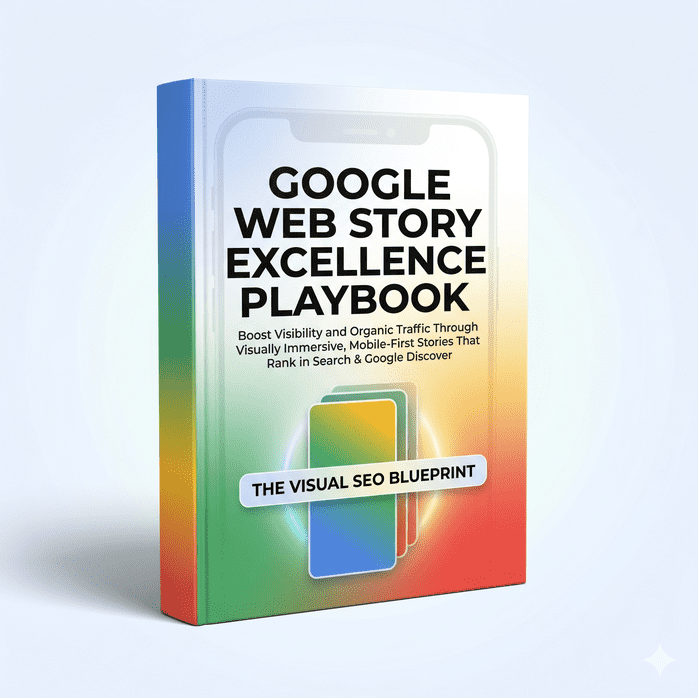
Google Web Story Excellence Playbook
Visual SEO + mobile traffic. A complete mini guide for planning, designing, optimizing, publishing, and monetizing Google Web Stories that can rank in Search and Google Discover.
View Guide
YouTube Excellence Playbook
Channel growth + SEO system. A practical YouTube growth blueprint covering channel strategy, branding, content planning, YouTube SEO, asset dimensions, analytics, engagement, technical quality, monetization, safety, and weekly workflow.
View Guide
Instagram Excellence Playbook
Profile growth + engagement. A complete Instagram growth blueprint covering profile optimization, content strategy, posting system, SEO, engagement, and monetization.
View Guide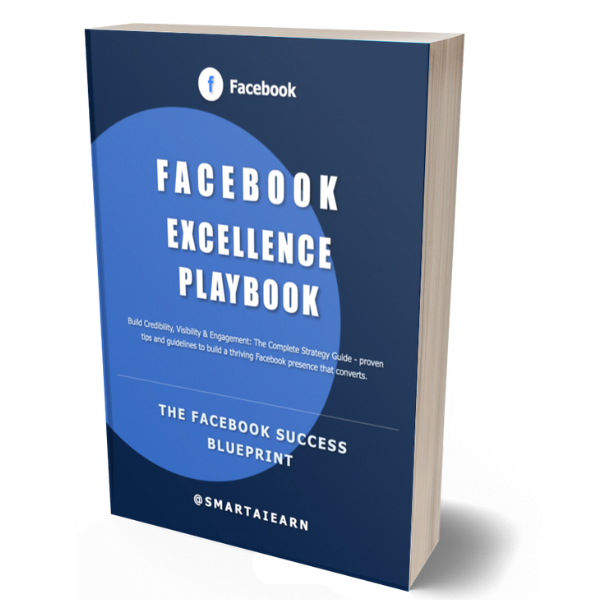
Facebook Excellence Playbook
Reach + content strategy. A complete Facebook growth blueprint covering page positioning, branding, content planning, posting strategy, SEO, analytics, engagement, monetization, and compliance.
View Guide🚀 Want More Practical Digital Resources?
Explore SmartResourceVault for AI prompts, templates, planners, trackers, mini-guides, audio resources, and bundles built for faster execution and everyday growth.
📘 Browse Mini Guides »💼 Build Your AI-Powered Income
Turn your ideas into income with these bestselling guides:



🌟 Ready to Build Your AI Income Stream?
You’ve learned the tools — now master the strategies!
Explore our exclusive AI Side Hustle & Passive Income eBooks to start earning smarter with ChatGPT, Canva, and automation tools.