
The virtual event industry has experienced explosive growth, with the global market size expected to reach $404.8 billion by 2027. This surge in demand has created a lucrative opportunity for individuals to capitalize on their skills and create a profitable ai-powered side hustle.
By leveraging AI-driven tools and expertise, individuals can monetize virtual event planning and tap into this growing market. Whether you’re an experienced event planner or just starting out, the potential for creating a lucrative side income is vast.
The key to success lies in understanding how to effectively utilize AI technology to streamline event planning and execution. By doing so, individuals can focus on delivering high-quality events and building a profitable business.
Key Takeaways
- Create a profitable ai-powered side hustle by leveraging AI-driven tools and expertise.
- Tap into the growing demand for virtual events and monetize virtual event planning.
- Utilize AI technology to streamline event planning and execution.
- Focus on delivering high-quality events and building a profitable business.
- Capitalize on your skills and create a lucrative side income.
The Rising Demand for Virtual Events in Today’s Digital Landscape
The COVID-19 pandemic has accelerated the growth of virtual events, transforming the way we connect, interact, and conduct business online. This shift has not only changed consumer behavior but has also opened up new avenues for businesses to reach their audiences.
Post-Pandemic Shift to Virtual Gatherings
The pandemic forced event organizers to pivot to virtual formats, resulting in a significant increase in virtual events. This shift has become a permanent fixture in the event landscape, with many organizations now opting for hybrid or fully virtual events.
Key drivers of this shift include:
- Increased accessibility for attendees worldwide
- Reduced costs associated with venue rental and logistics
- The ability to reach a broader audience through digital marketing
Benefits of Virtual Events for Businesses and Consumers
Virtual events offer numerous benefits for both businesses and consumers. For businesses, virtual events provide an opportunity to expand their reach and generate revenue through ticket sales and sponsorships. Consumers benefit from the convenience and flexibility of attending events from anywhere in the world.
Some of the key benefits include:
| Benefits | Businesses | Consumers |
|---|---|---|
| Increased Accessibility | Reach a global audience | Attend events from anywhere |
| Cost Savings | Reduce logistics and venue costs | Save on travel and accommodation |
| New Revenue Streams | Generate income through virtual ticket sales and sponsorships | Access to exclusive virtual content |
As virtual events continue to grow in popularity, businesses and entrepreneurs are finding new ways to monetize these events, leveraging artificial intelligence to enhance the attendee experience and create passive income streams.
AI Side Hustle | Monetize Virtual Event Planning: The Opportunity
AI is transforming the virtual event landscape, creating new opportunities for side hustlers. The integration of Artificial Intelligence in event planning is not just a trend; it’s a game-changer. It enables event planners to manage complex tasks more efficiently, personalize attendee experiences, and analyze event data to improve future events.
What Makes Virtual Event Planning an Ideal Side Hustle
Virtual event planning has become an attractive side hustle due to its flexibility and potential for high earnings. With the rise of remote work, people are looking for ways to supplement their income without committing to a full-time business. Virtual event planning fits this bill perfectly, as it can be managed from anywhere and scaled according to the planner’s availability.
Key benefits of virtual event planning as a side hustle include:
- Flexibility in scheduling and workload
- Opportunity to work with diverse clients and events
- Potential for high earnings through successful event execution
- Low initial investment, as most events are hosted online
How AI Transforms the Virtual Event Industry
AI is revolutionizing the virtual event industry by automating tasks, enhancing attendee experiences, and providing valuable insights through data analysis. AI-powered tools can help with everything from event creation to post-event analytics, making the process more efficient and effective.
The impact of AI on virtual events is multifaceted:
- Automated event scheduling and reminders
- Personalized content recommendations for attendees
- Real-time analytics for improved event performance
- Enhanced security measures to prevent data breaches
To illustrate the potential of AI in virtual event planning, consider the following comparison of traditional vs. AI-powered event planning:
| Aspect | Traditional Event Planning | AI-Powered Event Planning |
|---|---|---|
| Event Creation | Manual planning and coordination | AI-assisted event design and automation |
| Attendee Experience | Generic content and scheduling | Personalized recommendations and real-time updates |
| Event Analytics | Limited post-event analysis | Real-time data analysis and insights |
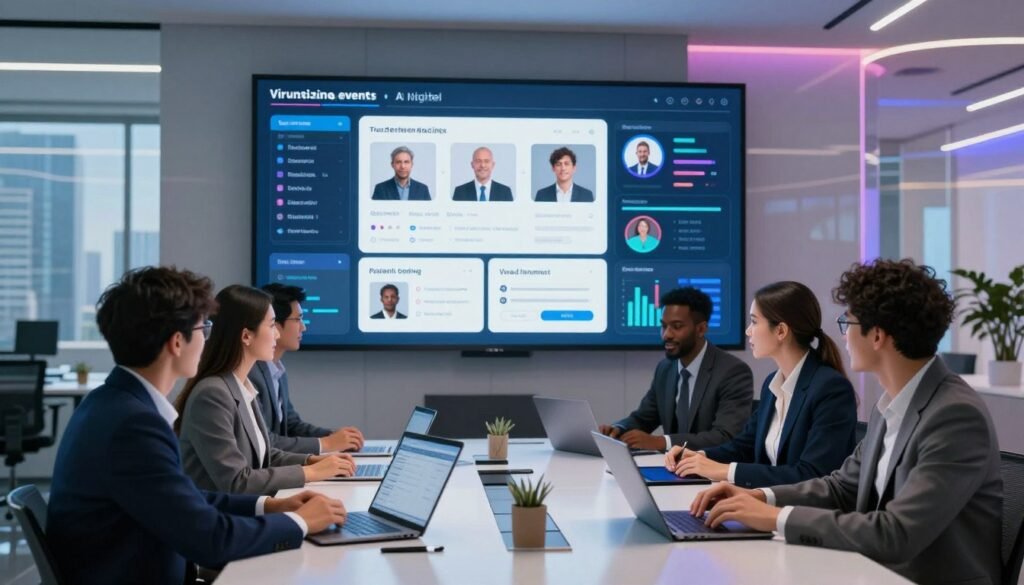
By leveraging AI, virtual event planners can not only streamline their workflow but also offer more value to their clients. This positions them for success in a competitive market and opens up new avenues for income through AI-driven event management services.
Essential Tools and Technologies for AI-Powered Event Management
The success of AI-powered virtual events hinges on the right combination of tools and technologies. To create engaging and profitable online events, it’s essential to leverage the latest advancements in AI and virtual event management.
AI Platforms for Virtual Event Creation
AI platforms play a crucial role in creating immersive virtual events. These platforms use machine learning algorithms to personalize the attendee experience, automate event logistics, and enhance overall engagement. Some popular AI platforms for virtual event creation include:
- Eventbrite’s Virtual Events
- Hopin
- Whova
These platforms offer a range of features, including AI-powered chatbots, personalized recommendations, and real-time analytics. By leveraging these tools, event organizers can create seamless and engaging experiences for attendees.
Virtual Event Hosting Software and Solutions
Virtual event hosting software is another critical component of AI-powered event management. These solutions provide the infrastructure needed to host large-scale virtual events, including live streaming capabilities, virtual exhibition halls, and networking lounges. Some top virtual event hosting software includes:
- BigMarker
- Zoom Webinar
- Google Meet
These platforms offer a range of features, including high-definition video streaming, interactive Q&A sessions, and real-time polling. By choosing the right virtual event hosting software, organizers can ensure a smooth and engaging experience for attendees.
AI Tools for Audience Engagement and Analytics
AI tools are also essential for enhancing audience engagement and providing valuable insights into attendee behavior. These tools use natural language processing and machine learning to analyze attendee interactions, identify trends, and provide personalized recommendations. Some popular AI tools for audience engagement and analytics include:
- Social interaction tracking tools
- Sentiment analysis software
- Predictive analytics platforms
By leveraging these AI tools, event organizers can gain a deeper understanding of their audience, identify areas for improvement, and make data-driven decisions to optimize future events.
Setting Up Your Virtual Event Planner Side Hustle
With the rise of virtual events, creating a successful side hustle in event planning demands a strategic approach. As a virtual event planner, you’ll need to leverage AI tools to streamline your workflow, enhance event experiences, and ultimately drive earnings.
Defining Your Niche and Target Audience
To succeed as a virtual event planner, it’s crucial to define your niche and identify your target audience. This involves understanding the specific types of events you want to specialize in, such as corporate conferences, weddings, or workshops, and recognizing the demographics and preferences of your potential clients.
By focusing on a specific niche, you can tailor your services to meet the unique needs of that market, differentiating yourself from more general event planners. AI tools can help analyze market trends and audience data to inform your niche selection.

Creating Your Service Offerings and Pricing Structure
Once you’ve defined your niche, the next step is to create your service offerings and pricing structure. This involves determining the specific services you’ll provide, such as event conceptualization, vendor management, and attendee engagement strategies, and setting prices that reflect the value you bring to clients.
Consider offering tiered service packages to cater to different client budgets and needs. AI can help you analyze competitors and market rates to inform your pricing strategy, ensuring you’re competitive while maximizing your virtual event planner earnings.
- Basic package: Event planning and coordination
- Premium package: Includes basic services plus AI-driven attendee engagement strategies
- Elite package: Comprehensive event management with advanced AI analytics and personalized support
Building Your Online Presence and Portfolio
Building a strong online presence is vital for attracting clients and showcasing your expertise as a virtual event planner. This includes creating a professional website that highlights your services, showcases your portfolio, and demonstrates your ability to leverage AI in event planning.
Utilize social media platforms to share your work, engage with potential clients, and stay updated on industry trends. Consider creating a portfolio that includes case studies of successful virtual events you’ve managed, with insights into how AI tools were used to enhance the experience.
By following these steps and leveraging AI tools effectively, you can establish a thriving virtual event planning side hustle that generates significant earnings and sets you up for long-term success in the growing virtual events industry.
Monetization Strategies for Virtual Events
Monetizing virtual events requires a multi-faceted approach that includes various revenue streams. To maximize earnings, event organizers can leverage ticket sales, explore sponsorship opportunities, and create passive income through recorded events.
Ticket Sales and Registration Fees
Ticket sales are a primary revenue source for virtual events. Organizers can implement tiered pricing strategies, offering different levels of access or exclusive content at higher price points. AI can help optimize ticket pricing by analyzing historical data and market trends to determine the most profitable price points.
Strategies for maximizing ticket sales include:
- Early bird discounts to encourage early registrations
- Limited-time offers to create a sense of urgency
- Bundle deals that include additional content or services
Sponsorship and Advertising Opportunities
Sponsorship and advertising are significant revenue streams for virtual events. AI can help match events with relevant sponsors by analyzing attendee data and identifying potential partners. Virtual events can offer various advertising opportunities, such as banner ads, sponsored content, and product placements.
Benefits of sponsorship and advertising include:
| Benefits | Description |
|---|---|
| Increased brand visibility | Sponsors gain exposure to a targeted audience |
| Revenue generation | Events earn money from sponsorship deals |
| Enhanced event experience | Sponsors can provide valuable content or services to attendees |
Creating Passive Income Through Recorded Events
Creating passive income through recorded events is an attractive strategy for virtual event organizers. By recording and selling access to past events, organizers can generate ongoing revenue long after the live event has concluded. AI can help optimize this process by automatically generating highlight reels, transcribing content, and suggesting marketing strategies.
By diversifying revenue streams and leveraging AI-powered tools, virtual event organizers can maximize their earnings and create sustainable businesses.
Leveraging AI to Enhance Virtual Event Experiences
Artificial intelligence is revolutionizing the virtual event landscape by providing personalized experiences for attendees. As the demand for online events continues to grow, incorporating AI technologies can significantly enhance the quality and engagement of these events.

Personalization for Attendees
AI-powered personalization allows event organizers to tailor the experience to individual attendees’ preferences and interests. By analyzing attendee data, AI can help create customized content recommendations, personalized networking opportunities, and targeted marketing messages.
For instance, AI-driven chatbots can assist attendees in navigating the event schedule, provide recommendations for sessions based on their interests, and even facilitate connections with other attendees who share similar professional backgrounds.
Automated Content Creation and Curation
AI can significantly reduce the workload of event organizers by automating content creation and curation. AI algorithms can generate event-related content, such as summaries of sessions, key takeaways, and even social media posts.
Moreover, AI can curate content from various sources, ensuring that attendees have access to relevant and high-quality information throughout the event. This not only enhances the attendee experience but also increases the overall value of the event.
Real-Time Analytics and Feedback
One of the most significant advantages of AI in virtual events is its ability to provide real-time analytics and feedback. AI can analyze attendee engagement, session popularity, and other key metrics in real-time, allowing organizers to make data-driven decisions to improve the event.
This capability enables organizers to identify areas for improvement and implement changes on the fly, ensuring that the event meets its objectives and provides a satisfying experience for attendees.
By leveraging AI to enhance virtual event experiences, organizers can create more engaging, personalized, and valuable events. This not only benefits attendees but also opens up new opportunities for ai event management income and helps in monetizing online events more effectively.
Marketing Your AI Event Management Income Streams
Marketing your AI event management services effectively is key to unlocking new income streams in the virtual event planning industry. As the demand for virtual events continues to grow, it’s crucial for event planners to leverage AI technologies to enhance their services and attract more clients.
Building a Strong Online Presence
A strong online presence is foundational for any successful virtual event planning business. This involves creating a professional website that showcases your services, portfolio, and testimonials from satisfied clients. Utilizing SEO strategies can help improve your website’s visibility on search engines, driving more organic traffic to your site.
According to a recent study, “having a professional online presence can increase a business’s credibility and trustworthiness in the eyes of potential clients.”
“In today’s digital age, your website is often the first impression you make on potential clients. Make it count by showcasing your expertise and services clearly.”
Leveraging Social Media and Content Marketing
Social media platforms offer a powerful channel for promoting your AI event management services and engaging with your target audience. By creating valuable content such as blog posts, videos, and infographics, you can attract potential clients and establish your authority in the virtual event planning industry.
- Share behind-the-scenes insights into your event planning process.
- Utilize relevant hashtags to increase the visibility of your content.
- Engage with your audience by responding to comments and messages promptly.
Networking and Partnership Strategies
Networking and forming strategic partnerships can significantly boost your virtual event planner earnings. Attend industry conferences, join online communities related to event planning, and collaborate with complementary businesses to expand your reach.
“Partnerships can help you tap into new markets and customer segments, driving growth for your AI event management side hustle.” By leveraging these strategies, you can create a robust marketing framework that attracts clients and grows your income streams.
Maximizing Virtual Event Planner Earnings Through AI
AI technology is transforming the virtual event landscape, offering new avenues for planners to enhance their earnings. By leveraging AI, virtual event planners can streamline their operations, offer more personalized services, and create new revenue streams.

Scaling Your Services with Automation
One of the key ways AI can help maximize earnings is by automating routine tasks, allowing planners to scale their services more efficiently. AI-powered tools can handle tasks such as registration management, email marketing, and data analysis, freeing up time for planners to focus on high-value activities.
Automation also enables planners to handle larger events without a proportional increase in workload, thereby increasing their earning potential per event.
Creating Tiered Service Packages
AI can help planners create tiered service packages that cater to different client needs and budgets. By analyzing client data and behavior, AI can identify the most profitable service combinations and help planners tailor their offerings accordingly.
For instance, a planner might offer a basic package that includes automated event registration and a premium package that includes personalized AI-driven event recommendations. This tiered approach can significantly increase average revenue per client.
Developing Recurring Revenue Models
AI can also facilitate the development of recurring revenue models by enabling planners to offer ongoing services that provide continuous value to clients. For example, planners can use AI to offer subscription-based event analytics services or regular virtual event training sessions.
Recurring revenue models not only provide a steady income stream but also help in building long-term relationships with clients, leading to higher client retention rates and more stable earnings over time.
By embracing AI and leveraging its capabilities, virtual event planners can significantly enhance their earnings and build a more sustainable business model.
Overcoming Challenges in Virtual Event Monetization
Virtual event monetization is fraught with challenges, from technical issues to market competition. As the demand for virtual events continues to grow, event planners must navigate these challenges to succeed.
Dealing with Technical Issues and Platform Limitations
Technical issues can significantly impact the success of virtual events. To mitigate this, event planners can leverage AI-powered solutions to identify and resolve technical issues promptly. This includes using AI-driven monitoring tools to detect potential problems before they affect the event.
Moreover, understanding the limitations of the chosen virtual event platform is crucial. Event planners should thoroughly test the platform before the event to ensure it meets their needs and can handle the expected traffic.
Standing Out in a Competitive Market
The virtual event market is becoming increasingly competitive, making it essential for event planners to differentiate their events. One way to achieve this is by using AI to personalize the attendee experience, tailoring content and interactions to individual preferences.
Additionally, event planners can focus on creating unique and engaging content that resonates with their target audience. This could involve using AI-generated content or leveraging user-generated content to add variety and authenticity.
Scaling Your Business While Maintaining Quality
As virtual event businesses grow, maintaining quality becomes a significant challenge. To address this, event planners can utilize AI-driven automation to streamline processes, such as registration, communication, and content delivery.
Furthermore, event planners should continuously monitor their events’ performance, using AI-driven analytics to identify areas for improvement and optimize their strategies accordingly.
By addressing these challenges and leveraging AI-powered solutions, virtual event planners can enhance their monetization strategies and achieve long-term success.
Future Trends in AI-Powered Online Events
Future trends in AI-powered online events are set to redefine the way we connect and interact in virtual spaces. As technology continues to evolve, the virtual event landscape is becoming increasingly sophisticated, offering new opportunities for organizers and attendees alike.
Emerging Technologies Shaping the Industry
The virtual event industry is being shaped by several emerging technologies, including artificial intelligence (AI), augmented reality (AR), and virtual reality (VR). These technologies are enhancing the attendee experience, improving engagement, and opening up new revenue streams for event organizers.
For instance, AI-powered chatbots are being used to provide personalized support to attendees, while AR and VR are creating immersive experiences that simulate real-world environments. The integration of these technologies is not only enhancing the quality of virtual events but also making them more accessible and engaging.

Predictions for Virtual Event Monetization Opportunities
As AI continues to transform the virtual event landscape, new monetization opportunities are emerging. One of the most significant trends is the growth of passive income through virtual events. By leveraging AI-powered tools, event organizers can create and sell recorded content, offering attendees a valuable resource that continues to generate revenue over time.
Another prediction is the increased use of dynamic pricing models, which adjust ticket prices in real-time based on demand. This approach can help maximize revenue and ensure that events are priced competitively.
- Sponsored content and product placements
- Virtual exhibitions and trade shows
- Premium experiences and VIP packages
Preparing Your Artificial Intelligence Side Gig for Future Innovations
To stay ahead in the competitive virtual event market, it’s essential to prepare your AI side hustle for future innovations. This involves staying up-to-date with the latest technologies and trends, investing in ongoing education and training, and being adaptable to changing market conditions.
By embracing these strategies, you can position your AI-driven virtual event business for long-term success and capitalize on the growing demand for monetize virtual event planning services.
Conclusion: Building a Sustainable Income Through AI-Enhanced Virtual Events
As the demand for virtual events continues to rise, leveraging AI in event planning has become a lucrative opportunity. By incorporating AI-powered tools and technologies, virtual event planners can create engaging, personalized, and profitable events that attract a wide audience.
Maximizing virtual event planner earnings requires a strategic approach to AI event management income. This involves utilizing AI platforms for event creation, virtual event hosting software, and AI tools for audience engagement and analytics. By doing so, event planners can
increase their ai event management income and create new revenue streams.
To monetize online events effectively, it’s essential to stay ahead of the curve by adopting emerging technologies and trends in AI-powered event management. By doing so, virtual event planners can build a sustainable income and establish themselves as leaders in the industry.
FAQ
What is the potential income range for a virtual event planner using AI?
How can AI enhance virtual event planning?
What are the essential tools for AI-powered virtual event management?
Can I monetize recorded virtual events?
How do I market my AI event management services?
What are the challenges in virtual event monetization, and how can AI help?
How can I scale my virtual event planning business using AI?
What are the future trends in AI-powered online events?
How can I prepare my AI-driven side gig for future innovations?
Build Smarter Content Systems with Practical Mini-Guides
Short, actionable digital guides designed to help creators, bloggers, affiliate marketers, and online business owners learn faster, take action sooner, and grow with more clarity.

Pinterest Excellence Playbook
Evergreen traffic + Pinterest SEO. A practical Pinterest growth blueprint covering platform positioning, profile SEO, branding consistency, content planning, pin design, publishing cadence, analytics, monetization, and weekly execution.
View Guide
Google Web Story Excellence Playbook
Visual SEO + mobile traffic. A complete mini guide for planning, designing, optimizing, publishing, and monetizing Google Web Stories that can rank in Search and Google Discover.
View Guide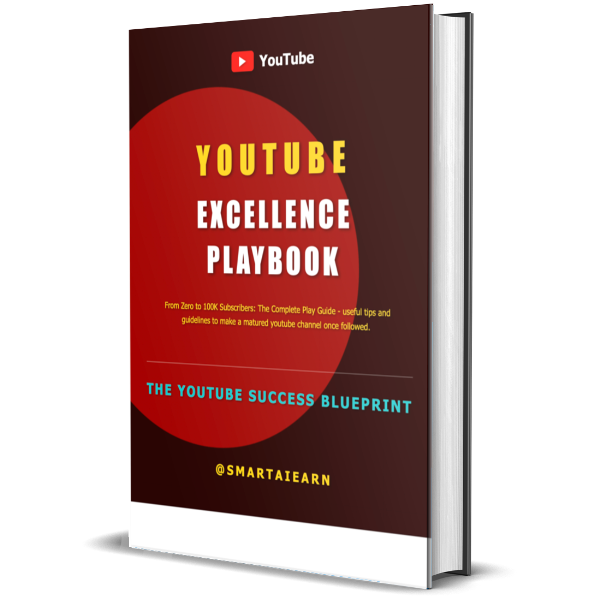
YouTube Excellence Playbook
Channel growth + SEO system. A practical YouTube growth blueprint covering channel strategy, branding, content planning, YouTube SEO, asset dimensions, analytics, engagement, technical quality, monetization, safety, and weekly workflow.
View Guide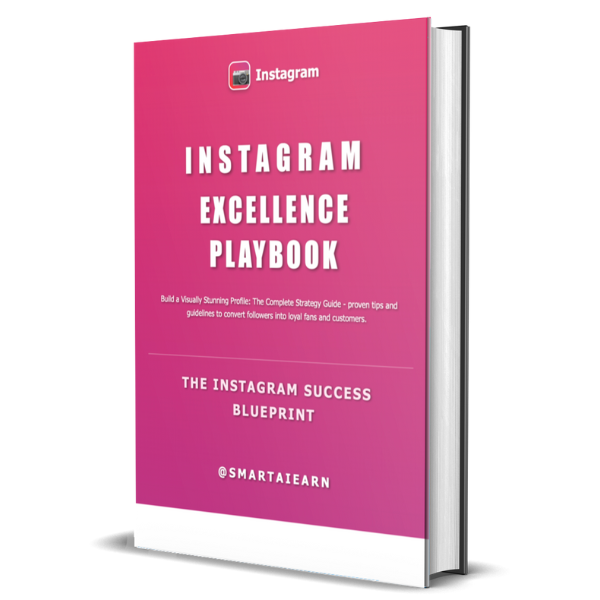
Instagram Excellence Playbook
Profile growth + engagement. A complete Instagram growth blueprint covering profile optimization, content strategy, posting system, SEO, engagement, and monetization.
View Guide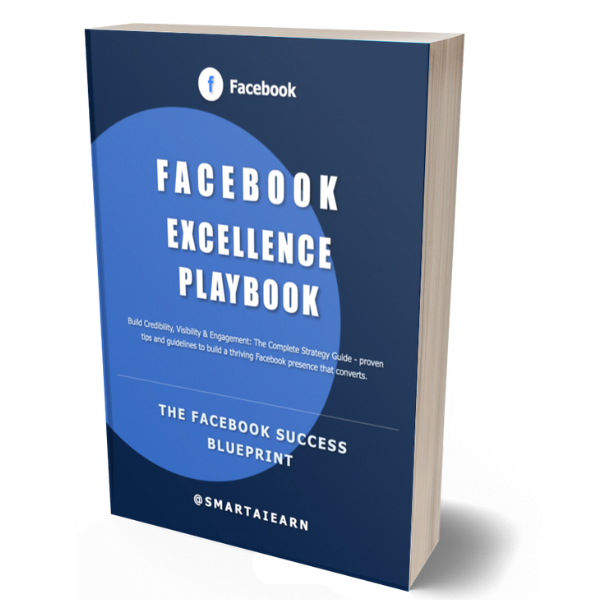
Facebook Excellence Playbook
Reach + content strategy. A complete Facebook growth blueprint covering page positioning, branding, content planning, posting strategy, SEO, analytics, engagement, monetization, and compliance.
View Guide🚀 Want More Practical Digital Resources?
Explore SmartResourceVault for AI prompts, templates, planners, trackers, mini-guides, audio resources, and bundles built for faster execution and everyday growth.
📘 Browse Mini Guides »💼 Build Your AI-Powered Income
Turn your ideas into income with these bestselling guides:


🌟 Ready to Build Your AI Income Stream?
You’ve learned the tools — now master the strategies!
Explore our exclusive AI Side Hustle & Passive Income eBooks to start earning smarter with ChatGPT, Canva, and automation tools.